
Technical Articles
Dust Collector Fan: Diaphragm Coupling Failure Diagnosis
When Dust Collector Fan changes behaviour, start with the machine event and its timestamp. The Diaphragm Coupling may be involved, but noise, heat or a trip does not identify the root cause by itself.
Start with the first machine event: Dust Collector Fan
Dust loading can change impeller balance and damper demand over a cleaning cycle. Before selecting a coupling, record the fan vibration spectrum, damper stroke, filter-pulse history and cleaning outage. Confirm the diaphragm coupling's documented lubrication requirement, backlash limit and speed range against the fan balance record; do not infer suitability from the coupling family alone.
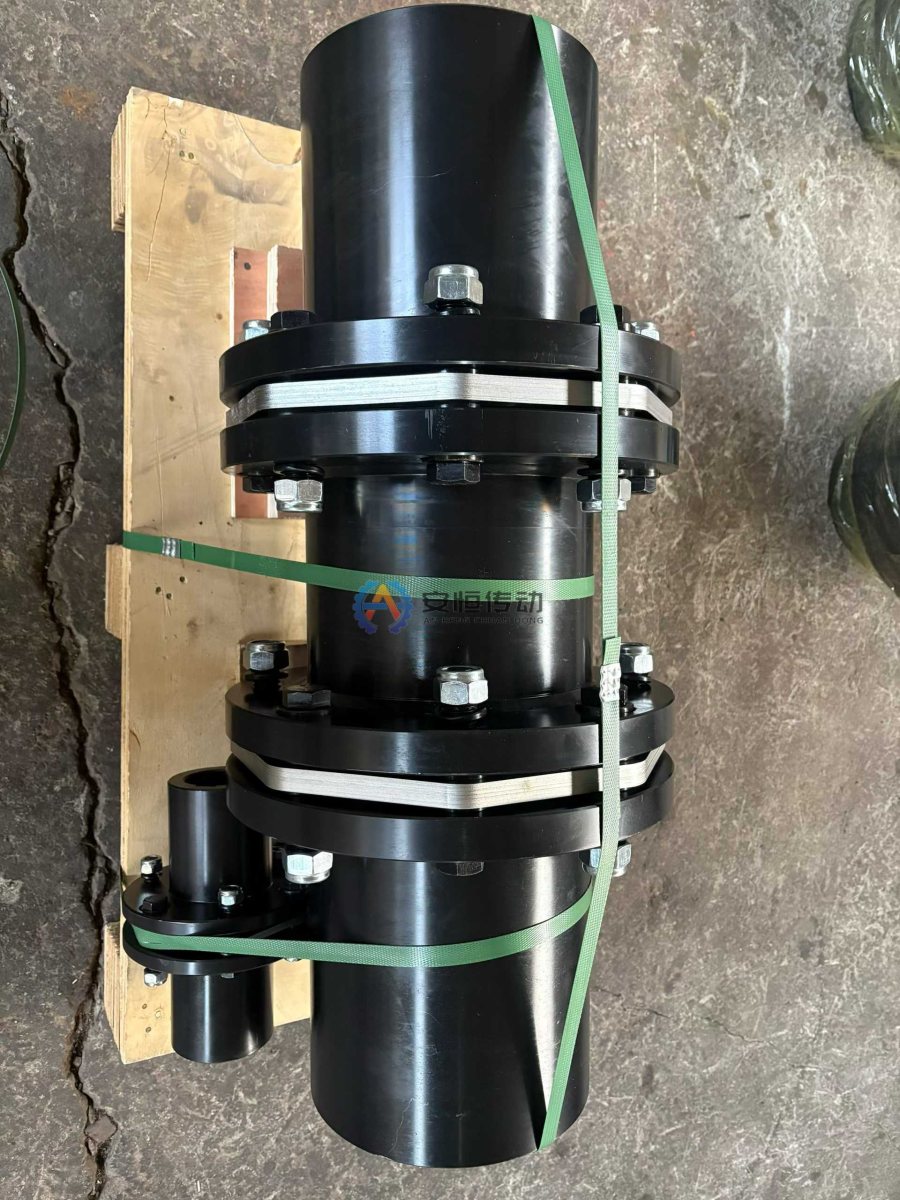
Rule out process trouble before the coupling: Dust Collector Fan
Confirm air volume, pressure, speed, impeller diameter, dust temperature, balancing grade and guard style. Relate the event to bearing housing, filter pulse, hot gas, impeller cleaning, fan casing and impeller fouling when they were involved. Check diaphragm pack arrangement, allowable speed, balancing grade, axial movement and guard clearance. Check the current shaft interface, movement and service route instead of treating a catalogue image as installed evidence.
Read the removed part with its interfaces: Dust Collector Fan
Photograph the complete assembly before dismantling and keep the failed component. Compare fan impeller, dust loading, inlet cone, outlet damper, balance grade with the timestamp of the first symptom. If a bore, keyway, guard or seal is worn, preserve the measurement as engineering evidence. Do not use it blindly where radial offset is large, foundation settlement is obvious or installation accuracy is poor. A dust-collector fan should be tied to filter-pulse history, damper stroke, flue temperature and impeller fouling. Capture the balance weight, casing drain, inlet cone and vibration spectrum during a cleaning outage. These records explain a fan-wheel change without borrowing the blower's surge-control or overspeed-trip logic.
Repeat the checks after repair: Dust Collector Fan
Do not use the Diaphragm Coupling to hide a process fault at Dust Collector Fan. Check fan impeller, dust loading, inlet cone, then record which limit is verified and which one remains unknown.
Close the diagnosis with a traceable record: Dust Collector Fan
Send the station, coupling position, normal and abnormal load description, speed, shaft measurements, movement, environment, quantity and drawings or photographs. In the field record, name what actually mattered, such as bearing housing, filter pulse, hot gas, impeller cleaning, fan casing and impeller fouling. Use the relevant product data and recorded loads; do not invent a service factor when the event is unknown.
For Dust Collector Fan, after the site data are complete, compare the Diaphragm Coupling product information with the coupling measurement guide and related engineering note.
Two checks before release: Dust Collector Fan
What should be repeated after repair?
Repeat the measurement or operating check that first exposed the problem, under a comparable load, and keep the result with the failure record.
Does a larger coupling solve the diagnosis?
Not by itself. A larger outside diameter cannot correct a wrong fit, poor alignment or an unrecorded process event.
Need an engineering selection or replacement review?
Send power, speed, shaft diameters, keyway, installation dimensions, drawings or old-part photos. We will review the working condition before confirming the model and quotation.