Technical Articles
Pickling Line Drive: Tyre Coupling Selection Guide
The Pickling Line Drive review should read like a machine record, not a product description. Start with the load path and the abnormal event, then test speed, torque, movement and access against the Tyre Coupling drawing.
Read the machine action first: Pickling Line Drive
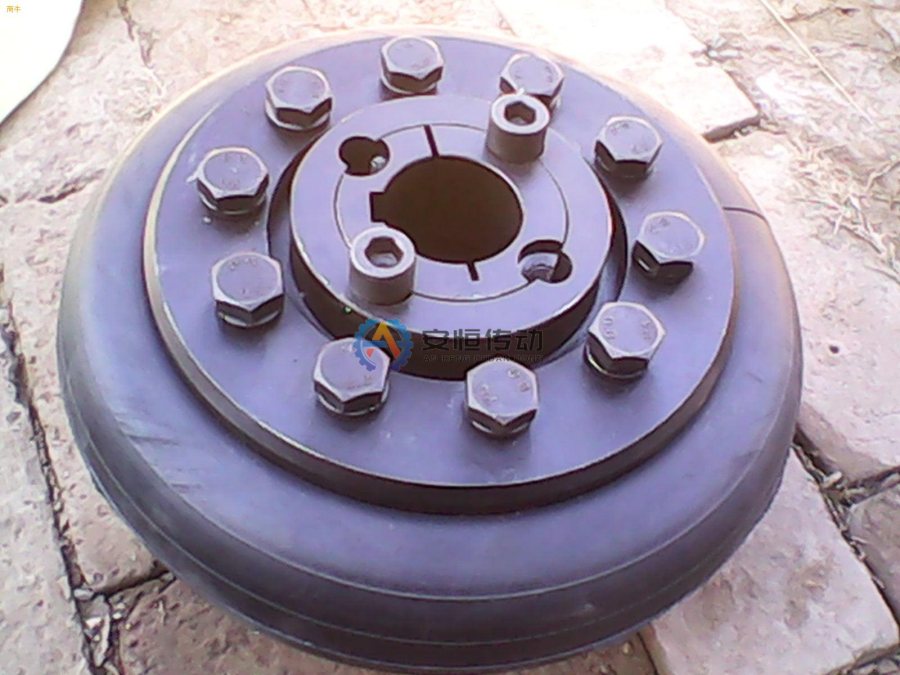
Main risks are chemical attack on the elastic element, shaft rust, liquid accumulation in the cover and delayed maintenance. For Pickling Line Drive, record the installed coupling position and verify acid mist, strip loop, chemical attack and tyre-element access against the site record; name the component that must be protected. A tyre coupling provides high elasticity and vibration isolation, suitable for pickling line auxiliary drives and shock isolation.
Put normal and abnormal duty on record: Pickling Line Drive
Confirm chemical environment, line speed, drive power, shaft diameter, temperature, acid mist exposure and replacement space. Check tyre material, chemical resistance, ambient temperature, cover space and replacement convenience. Check the current shaft interface, movement and service route instead of treating a catalogue image as installed evidence.
Check the limits that rule out a type: Pickling Line Drive
Photograph the complete assembly before dismantling and keep the failed component. Compare acid mist, strip loop, squeegee roll, wash section, tyre element with the timestamp of the first symptom. If a bore, keyway, guard or seal is worn, preserve the measurement as engineering evidence. It is not preferred for high heat, sharp splash exposure or drives requiring very high torsional stiffness.
What still needs field confirmation? (Pickling Line Drive)
The Pickling Line Drive boundary is practical: no drawing, no measured interface, no approval. Keep acid mist, strip loop, squeegee roll with the dated record before changing the coupling.
Data the quotation team needs: Pickling Line Drive
Send the station, coupling position, normal and abnormal load description, speed, shaft measurements, movement, environment, quantity and drawings or photographs. Use the relevant product data and recorded loads; do not invent a service factor when the event is unknown.
For Pickling Line Drive, after the site data are complete, compare the Tyre Coupling product information with the coupling measurement guide and related engineering note.
Questions from the station record: Pickling Line Drive
Which event should control the size decision?
Use the recorded event at the coupling position, including direction, duration, repetition and consequence. A catalogue rating is a starting point, not a substitute for the station record.
What must remain open before approval?
Keep torque, speed, bore, keyway, DBSE, movement and environment marked as site confirmation required until a drawing or measurement supports them.
Need an engineering selection or replacement review?
Send power, speed, shaft diameters, keyway, installation dimensions, drawings or old-part photos. We will review the working condition before confirming the model and quotation.