Technical Articles
Low Speed Chain Conveyor: Roller Chain Coupling Replacement
A replacement Roller Chain Coupling for Low Speed Chain Conveyor is an interface job as much as a duty check. The old model can guide the search; it cannot replace measurements of the shaft ends, DBSE, movement and guard.
Measure the interfaces that define the replacement: Low Speed Chain Conveyor
Main risks are chain wear, poor lubrication, dust inside the cover, shaft offset and impact noise. Record the coupling station, the process event and the component that must be protected. A roller chain coupling encloses matched sprockets and a roller chain; its suitability depends on chain lubrication, guard clearance and controlled shaft alignment.
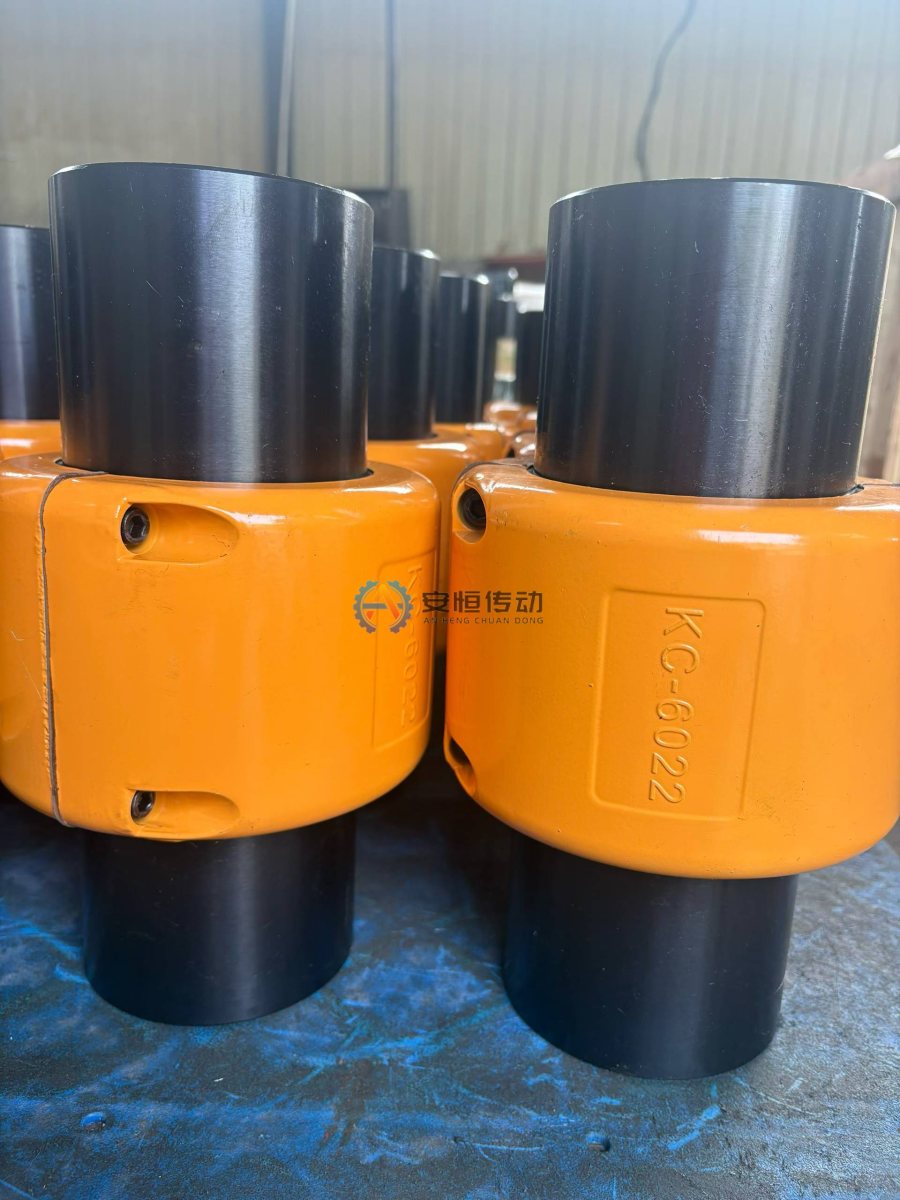
Carry the old-part evidence into the drawing: Low Speed Chain Conveyor
Confirm chain speed, conveying load, sprocket teeth, shaft diameter, space, lubrication and cover size. Relate the event to guard window, low-speed crawl, link lubrication, material bridge, take-up travel and chain wheel when they were involved. Check chain slack, sprocket alignment, sleeve length, shaft distance, braking shock and start-stop frequency. Check the current shaft interface, movement and service route instead of treating a catalogue image as installed evidence.
Leave room for DBSE, movement and the guard: Low Speed Chain Conveyor
Photograph the complete assembly before dismantling and keep the failed component. Compare sprocket, chain pitch, idler strand, tensioner, chain elongation with the timestamp of the first symptom. If a bore, keyway, guard or seal is worn, preserve the measurement as engineering evidence. Reliable lubrication and sealing are necessary. Dust, moisture and heat require proper cover and grease management.
Keep assumptions visible in the quote: Low Speed Chain Conveyor
A catalogue rating cannot close the Low Speed Chain Conveyor decision. Keep sprocket, chain pitch, idler strand tied to the site record, and mark every unmeasured interface or load value as site confirmation required.
Replacement RFQ for this station: Low Speed Chain Conveyor
Send the station, coupling position, normal and abnormal load description, speed, shaft measurements, movement, environment, quantity and drawings or photographs. In the field record, name what actually mattered, such as guard window, low-speed crawl, link lubrication, material bridge, take-up travel and chain wheel. Use the relevant product data and recorded loads; do not invent a service factor when the event is unknown.
For Low Speed Chain Conveyor, after the site data are complete, compare the Roller Chain Coupling product information with the coupling measurement guide and related engineering note.
Questions worth answering before the RFQ: Low Speed Chain Conveyor
What makes an RFQ useful?
A useful request joins the duty event, speed, interfaces, movement, environment, quantity and the evidence still awaiting confirmation.
Can a model number replace an interface measurement?
No. Measure shaft diameters, bore, keyway, hub length, DBSE, movement and guard clearance; use the model number only as a cross-reference.
Need an engineering selection or replacement review?
Send power, speed, shaft diameters, keyway, installation dimensions, drawings or old-part photos. We will review the working condition before confirming the model and quotation.