Technical Articles
Coupling Replacement Solutions for Old Industrial Equipment
Which dimensions decide the replacement? (Coupling Replacement Solutions for Old Industrial Equipment)
This guide covers “Coupling Replacement Solutions for Old Industrial Equipment”. An interchangeable replacement starts with verified connection dimensions and operating data. Record the bore, keyway, hub length, shaft-end distance, flange or brake-wheel interfaces, material and heat treatment before a new drawing is released. Keep torque, speed, bore, keyway, duty and RFQ evidence in the same record.
For an old industrial drive, a reliable selection also depends on bore fit, keyway standard, shaft-end distance, lubrication or wear-part maintenance, balance grade and the condition of the connected reducer, motor and driven equipment.
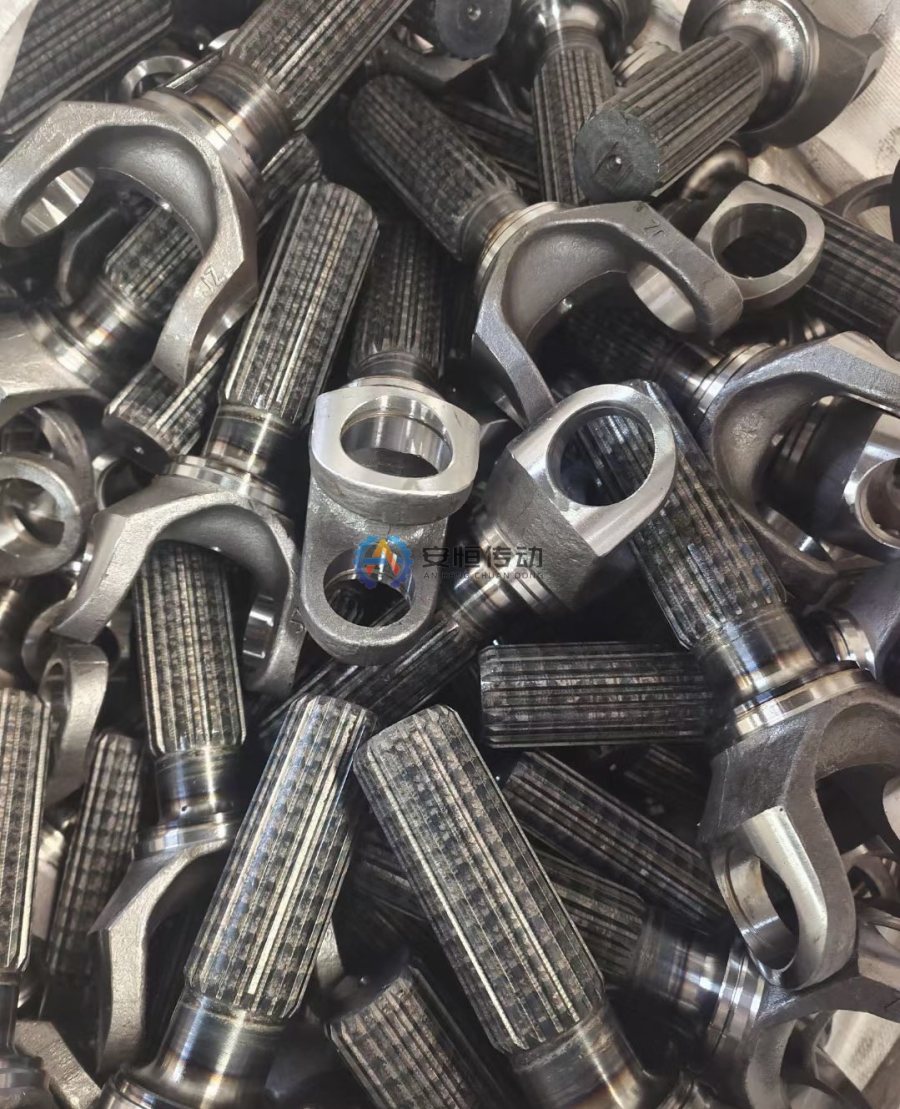
Keep the old assembly traceable: Coupling Replacement Solutions for Old Industrial Equipment
For an old industrial drive, confirm rated torque, peak torque, RPM, shaft diameters d1/d2, bore type, keyway, DBSE, allowable outside diameter, axial movement, angular or radial misalignment, ambient temperature and start-stop frequency before choosing a model.
For an old machine, capture every interface:bores, keyways, flanges, spacers, brake wheel and hub lengths:and annotate the drawing with measured values.
Check movement and removal access: Coupling Replacement Solutions for Old Industrial Equipment
A custom replacement is appropriate when catalogue dimensions cannot match the existing shaft connection or installation envelope. Reverse engineering should preserve interchangeability while rechecking torque capacity, material, heat treatment, balance and maintainability.
Separate measured values from estimates: Coupling Replacement Solutions for Old Industrial Equipment
For an old industrial drive, do not upgrade or downsize the coupling only by outside diameter. Two couplings with similar appearance can have different torque capacity, bore length, material, heat treatment and balance limits.
A practical replacement handover: Coupling Replacement Solutions for Old Industrial Equipment
For an old industrial drive, send equipment name, power, speed, torque requirement, shaft diameters, keyway standard, quantity, drawing or old coupling photos, working environment and urgency. The drawing review can then separate a catalogue model or a safer custom replacement route.
FAQ | Replacement Solutions for Old Industrial Equipment
Can the coupling be selected only by motor power?
No. Motor power cannot confirm an old machine's interfaces, available envelope, heat treatment or replacement interchangeability.
What information should be sent for a fast quotation?
For an old industrial drive, send equipment name, power, RPM, shaft diameters d1/d2, keyway standard, DBSE, operating environment, drawing or old part photos. This lets the review confirm a catalogue model or a custom replacement.
Separate interchangeability from performance
An old coupling can be made to fit and still fail in service if the replacement changes hub length, balance, shaft support or the way axial movement is handled. Compare the measured assembly with the old drawing, then mark every intentional change on the replacement sketch.
For an outage-bound replacement, identify which dimensions are critical to installation and which can be confirmed after removal. This lets the supplier issue a controlled drawing without treating an uncertain catalogue match as a guaranteed interchange.
For an old industrial drive, send the measured bores, keyway, DBSE, speed, torque event and clear photos. Compare the Custom Replacement Coupling data with the relevant application notes before requesting a replacement drawing.
Need an engineering selection or replacement review?
Send power, speed, shaft diameters, keyway, installation dimensions, drawings or old-part photos. We will review the working condition before confirming the model and quotation.