
Technical Articles
Coupling Failure Evidence Pack: Photos, Measurements, and Operating History
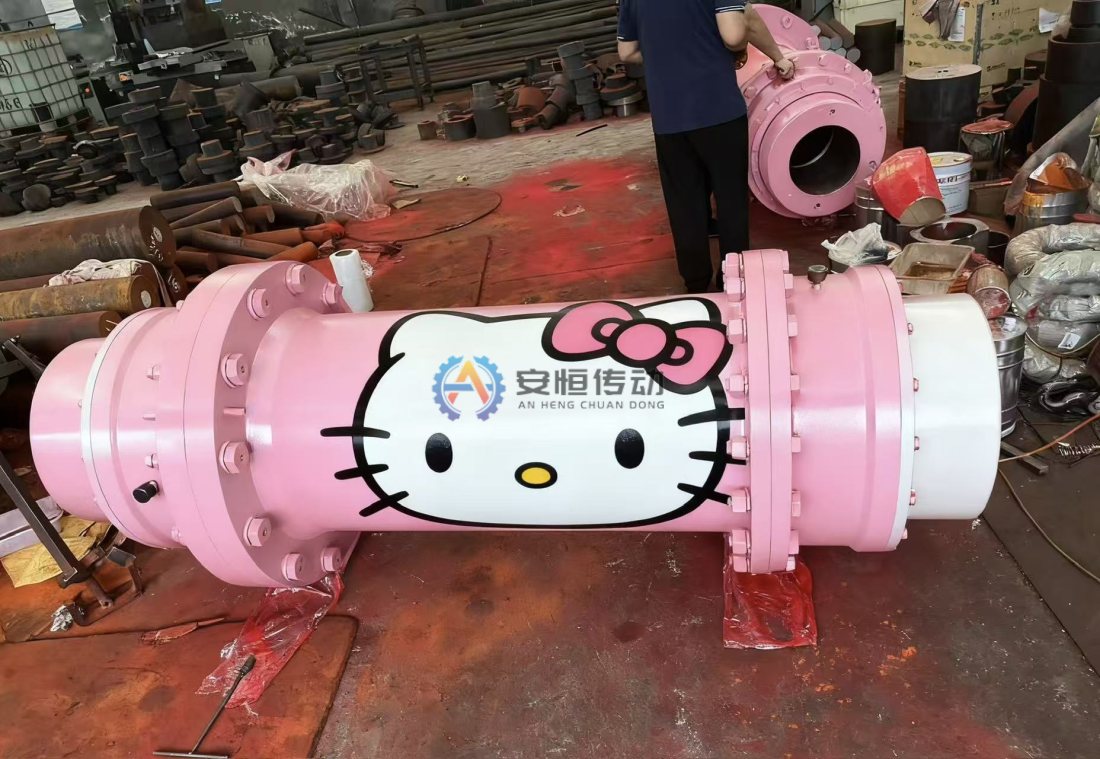
A useful coupling failure evidence pack connects the damaged part with the machine's operating history. Photos alone show symptoms; measurements, torque events, alignment data, and installation records help an engineer test competing causes before recommending a replacement.
Build the failure evidence pack from the field
The pack is useful for a conveyor blockage, mill strip event, pump vibration, fan resonance, or repeated pin-bush wear. The goal is to preserve evidence without exposing personnel to a rotating or unstable machine.
Open engineering data for Coupling Failure Evidence Pack
Collect equipment tag, coupling type, serial or model mark, date and duty hours, speed, torque or power, starts and reversals, ambient conditions, lubrication record, alignment readings, bore and keyway measurements, DBSE, and guard photos.
For coupling failure evidence, start with the Custom Replacement Coupling page.
| Engineering input | Confirmation required |
|---|---|
| Load cycle | Continuous, start-up, reversing and blocked-load torque |
| Speed and movement | Normal speed, axial displacement and angular misalignment |
| Interface | Bore, keyway, hub length, DBSE and guard envelope |
| Environment | Temperature, dust, moisture, lubricant or elastomer exposure |
Rule out process trouble before the coupling: Coupling Failure Evidence Pack
Classify the failure as overload, fatigue, wear, fit, alignment, lubrication, thermal, or unknown. Use the classification as a hypothesis, not a conclusion. Compare the damage with a normal reference part or an approved drawing.
For coupling failure evidence, the gear coupling failure troubleshooting guide is useful when the failure history suggests that the rating basis or transient load has been misunderstood.
Repeat the checks after repair: Coupling Failure Evidence Pack
Photograph before cleaning, label each side, keep loose fragments, measure runout and fit, and record the disassembly order. During replacement, record the as-fitted dimensions, bolt torque, lubricant, guard clearance, and first-load observations.
Read the removed part with its interfaces: Coupling Failure Evidence Pack
Look for a consistent pattern across machines. If only one drive fails, investigate local fit, alignment, or process conditions. If several fail at the same cycle, investigate the common torque event, material, lubrication, or control sequence.
On a coupling failure evidence installation, do not replace the worn part before checking the shaft, keyway, bearings, guard and machine alignment. Read the damage as evidence, then check the surrounding machine before choosing the part.
Close the diagnosis with a traceable record: Coupling Failure Evidence Pack
Send the evidence index, labelled photos, drawings, measurements, operating history, failure date, quantity, and required response. Ask the supplier to return confirmed facts, hypotheses, missing data, and a proposed verification plan.
Two practical questions: Coupling Failure Evidence Pack
Can a coupling symptom prove the root cause?
No. Check the machine event, shaft, key, bearings, foundation, guard and alignment before assigning the cause to the coupling.
What should be repeated after repair?
Repeat the measurement or operating check that first exposed the problem, under a comparable load, and keep the result with the failure record.
Send a reviewable engineering request: Coupling Failure Evidence Pack
For the “Coupling Failure Evidence Pack” review, send the equipment name, operating duty, available torque and speed data, shaft drawing or clear photos, quantity and delivery need through technical RFQ form. Keep measured values separate from estimates so the drawing review can see what is still open.
Need an engineering selection or replacement review?
Send power, speed, shaft diameters, keyway, installation dimensions, drawings or old-part photos. We will review the working condition before confirming the model and quotation.