
Technical Articles
International Buyer’s Coupling RFQ Checklist: Technical Data, Documentation, and Export Details
A Strong RFQ Is Not About More Data:It Is About Clear, Comparable Requirements
“Please quote a Gear Coupling for 90 kW” is not enough to produce a reliable quotation. Products with the same name may have different shaft bores, keyways, materials, operating speeds, balancing requirements, flanges, and inspection scopes. International sourcing also introduces differences in units, standards frameworks, document languages, packaging, and trade terms. The purpose of an RFQ is to have every supplier quote against the same operating conditions, interfaces, and scope of supply.
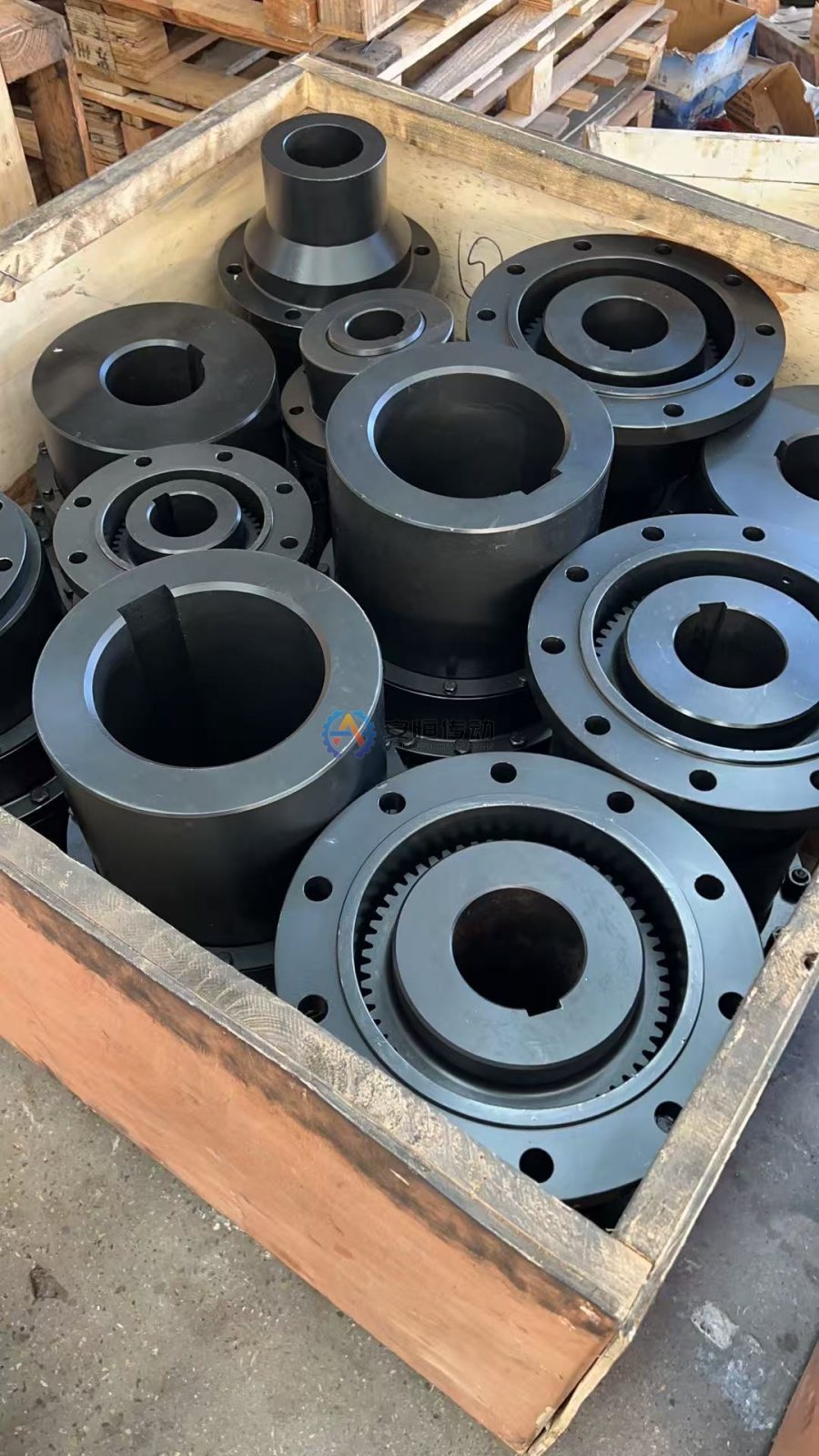
Group 1: Data That Determines Whether the Coupling Will Work
| Parameter | Required information | Why it matters |
|---|---|---|
| Equipment and duty position | Pump, fan, steel rolling mill, conveyor, etc.; specify the installation position | The load on the same coupling varies between shaft sections |
| Motor power and operating speed | Continuous/maximum motor power, normal/maximum operating speed, and reduction ratio | Used to calculate basic torque and verify allowable speed |
| Load characteristics | Starting, braking, reversing, shock, jamming, and duty cycle | Determines peak loads and structural selection |
| Shafts at both ends | `d1/d2`, shaft extension lengths, straight/tapered bores, and fits | Determines the hubs, shaft bores, and assembly method |
| Keyway or connection | Keyway dimensions and system, splines, locking assemblies, etc. | Prevents interfaces that appear similar but cannot be assembled |
| Installation dimensions | Distance between shaft ends (DBSE), overall length, maximum outside diameter, and guard clearance | Determines whether a standard design can be used as a direct replacement |
| Misalignment and displacement | Angular, radial, and axial values, including changes between cold and hot conditions | Verifies compensation capacity and fatigue risk |
| Environment | Temperature, dust, moisture, corrosion, and indoor/outdoor installation | Determines sealing, lubrication, and protection requirements |
Basic torque can be estimated using `T = 9550P/n`, but the RFQ must also identify the shaft section to which `P` and `n` apply and provide the basis for normal starting or abnormal peak loads. Suppliers should not treat calculated steady-state torque as the complete selection torque.
Group 2: Requirements That Make Quotations Truly Comparable
Drawings should state the drawing number, revision, date, and units. Use the PDF as the readable reference and the editable file for engineering work; any conflict between them must be clarified. If no drawing is available for an existing part, use the Old Coupling Measurement Checklist to submit a dimension sheet and photographs with a scale. For custom interfaces, follow the Coupling Customization Process Based on Drawings to prepare an approval drawing.
Material and quality requirements should specify the applicable material system, heat treatment condition, critical tolerances, and inspection scope. If any of the following are required, state them clearly before quotation:
- Material certificates, dimensional inspection records, and report language;
- The parts covered by nondestructive testing, the test method, and acceptance criteria;
- Components subject to dynamic balancing, operating speed conditions, and report requirements;
- Third-party inspection, witness points, or pre-shipment photographs;
- Rust prevention, packaging, spare parts, and installation instructions.
Do not ask suppliers for certificates that are outside the contract scope, and do not accept generic documents that cannot be traced to specific parts, heats, or inspection records.
Group 3: Export and Commercial Terms
Provide the RFQ quantity, sample and production plans, required ex-works or arrival date, destination country/port, trade terms, mode of transport, packaging restrictions, wooden-crate treatment requirements, shipping marks, receiving dimensional limits, and required documents. Trade terms must state the agreed version. Payment, warranty, spare parts, and the scope of claims should be confirmed before the order is placed.
“Urgent” is not a delivery date. For shutdown spares, provide the latest acceptable arrival date and state whether partial shipments are allowed. The supplier can then assess the feasibility of material procurement, machining, inspection, and transportation.
Copy-and-Use RFQ Template
Product/design:
Equipment, duty position, and application:
Motor power, operating speed at the coupling shaft section, and reduction ratio:
Starting, braking, reversing, shock, or jamming conditions:
Shaft diameter, shaft extension, shaft bore, and keyway at each end:
Distance between shaft ends (DBSE), maximum outside diameter, and overall-length limit:
Misalignment, axial displacement, and maximum temperature:
Drawing number, revision, photographs, or existing-part model:
Material, heat treatment, dynamic balancing, and inspection documents:
Quantity, delivery schedule, destination, and trade terms:
Packaging, rust prevention, shipping marks, and document requirements:
Three Checks Before Sending the RFQ
First, are all dimensions stated in the same units, with no unintended mixing of metric and imperial values? Second, are the drawing revision, specifications in the RFQ, and photograph annotations consistent? Third, does every inspection or documentation requirement have a defined acceptance scope? When reviewing supplier responses, compare more than the total price. Also compare the selected coupling product or alternative design, technical deviations, scope of supply, documents, packaging, and delivery schedule. If a quotation is based on assumptions, resolve each assumption before placing the order.
FAQ | International Buyer’s RFQ
What information lets an overseas supplier quote a coupling without guessing?
Send the equipment duty, torque and speed at the coupling position, both shaft interfaces, DBSE, movement, guard limits, quantity, delivery point and a controlled drawing revision.
Why must metric and imperial dimensions be kept separate in an RFQ?
Mixing units can produce a bore or keyway that looks plausible but does not fit. State the unit beside every measurement and identify the standard shown on the original drawing.
Need an engineering selection or replacement review?
Send power, speed, shaft diameters, keyway, installation dimensions, drawings or old-part photos. We will review the working condition before confirming the model and quotation.