Technical Articles
Furnace Auxiliary Drive: Pin Gear Coupling Replacement RFQ
A replacement Pin Gear Coupling for Furnace Auxiliary Drive is an interface job as much as a duty check. The old model can guide the search; it cannot replace measurements of the shaft ends, DBSE, movement and guard.
Measure the interfaces that define the replacement: Furnace Auxiliary Drive
Main risks are aged elastic rings, pin wear, shaft-end looseness and limited service space. At the Furnace Front Auxiliary Equipment station, record the installed coupling position and verify hot-zone shielding, scale drop, auxiliary-roll duty and manual inching against the site record; name the component that must be protected. A pin gear coupling combines elastic cushioning with useful torque capacity for auxiliary drives with moderate shock.
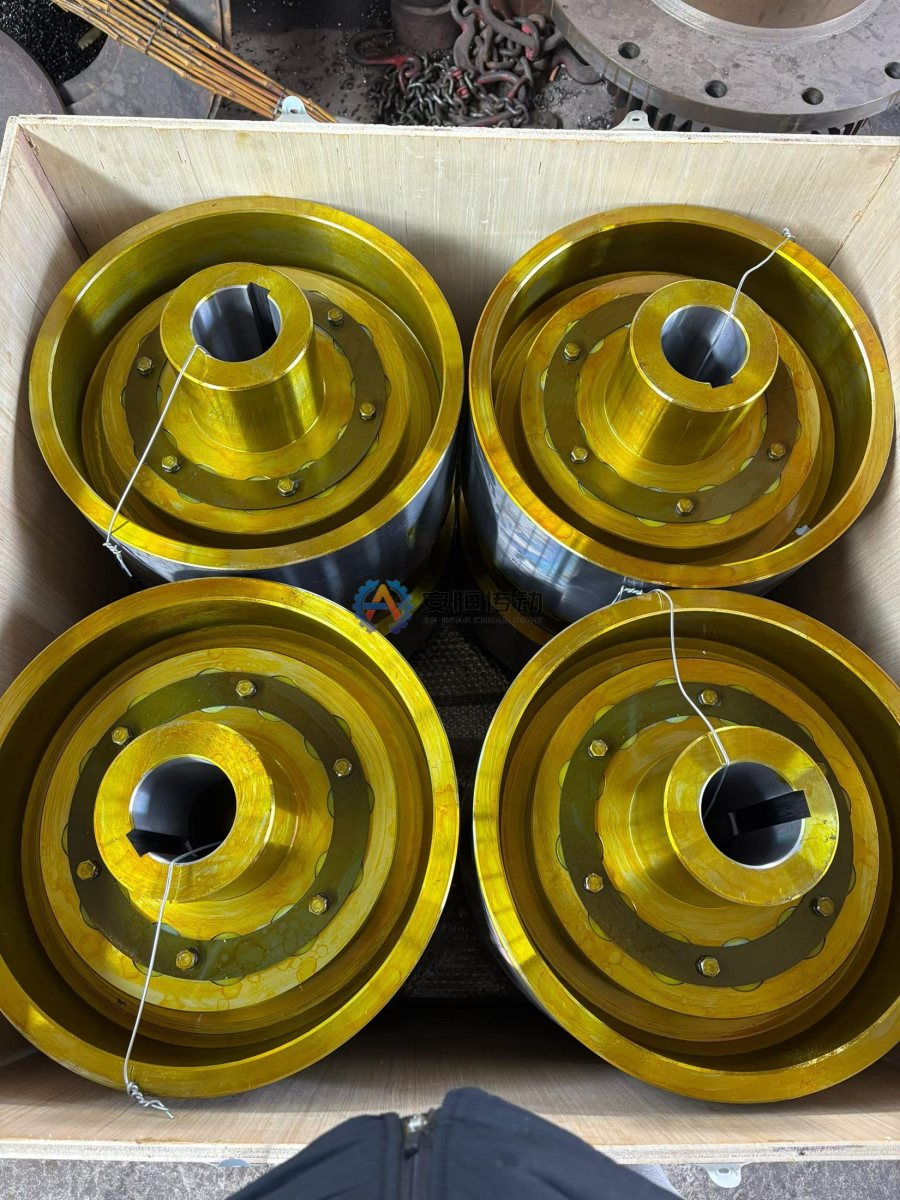
Carry the old-part evidence into the drawing: Furnace Auxiliary Drive
Confirm action cycle, load direction, ambient temperature, shaft diameter, keyway, spare-part access and lubrication condition. Relate the event to guard heat, pin wear, service window, local control, standby drive and charge bucket when they were involved. Check pin material, elastic ring wear, gear sleeve fit, shaft diameter and replacement space. Check the current shaft interface, movement and service route instead of treating a catalogue image as installed evidence.
Leave room for DBSE, movement and the guard: Furnace Auxiliary Drive
Photograph the complete assembly before dismantling and keep the failed component. Compare furnace-front table, hot-zone shielding, auxiliary roll, scale drop, manual inching with the timestamp of the first symptom. If a bore, keyway, guard or seal is worn, preserve the measurement as engineering evidence. For severe shock or jamming risk, do not rely only on elastic pins. Consider protection or a heavier-duty type.
Keep assumptions visible in the quote: Furnace Auxiliary Drive
The Furnace Auxiliary Drive boundary is practical: no drawing, no measured interface, no approval. Keep furnace-front table, hot-zone shielding, auxiliary roll with the dated record before changing the coupling.
Replacement RFQ for this station: Furnace Auxiliary Drive
Send the station, coupling position, normal and abnormal load description, speed, shaft measurements, movement, environment, quantity and drawings or photographs. In the field record, name what actually mattered, such as guard heat, pin wear, service window, local control, standby drive and charge bucket. Use the relevant product data and recorded loads; do not invent a service factor when the event is unknown.
For Furnace Front Auxiliary Equipment, after the site data are complete, compare the Pin Gear Coupling product information with the coupling measurement guide and related engineering note.
Two checks before release: Furnace Auxiliary Drive
Which evidence prevents a wrong hub?
A marked drawing, photos before dismantling, both shaft-end measurements and the old part together give the supplier a traceable interface.
Should unknown dimensions be estimated?
No. Leave them open and state what must be confirmed on site before a drawing is released.
Need an engineering selection or replacement review?
Send power, speed, shaft diameters, keyway, installation dimensions, drawings or old-part photos. We will review the working condition before confirming the model and quotation.