
Technical Articles
Shearing Machine: Torque Limiter Coupling Maintenance Guide
The Shearing Machine maintenance review starts before the coupling is fitted. Check the shaft ends and guard, record the alignment method, and make the first loaded run a traceable test of the Torque Limiter Coupling.
Start with the fit and the guard: Shearing Machine
Main risks are blade damage, abnormal material thickness, mechanical jamming and mismatched overload setting. For Shearing Machine, record the installed coupling position and verify blade engagement, line synchronisation, jam response and reset access against the site record; name the component that must be protected. A torque limiter coupling is used where a defined overload release point is required, such as shear drives and protective transmission.
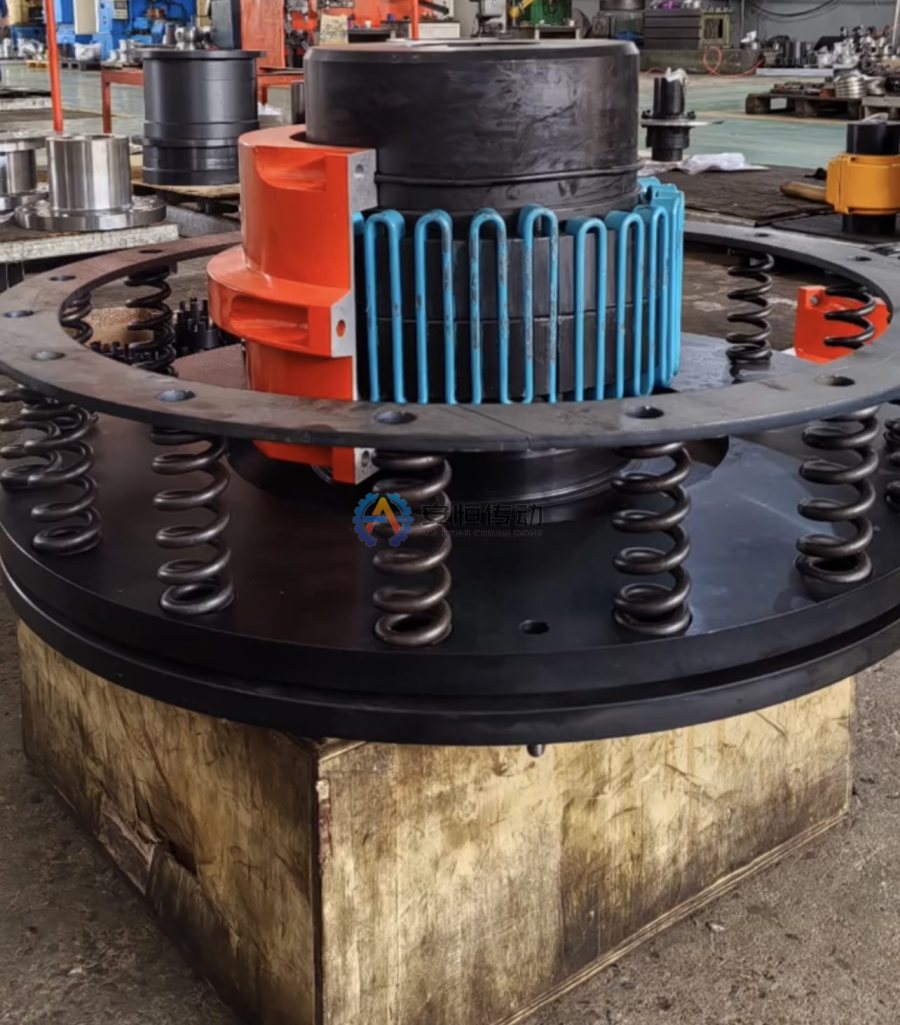
Record how the assembly was aligned: Shearing Machine
Confirm plate thickness, material strength, cutting speed, knife structure, release torque, reset method and interlock signal. Relate the event to line synchronization, mechanical jam, trip repeatability, reset access, interlock signal and crop cut when they were involved. Check release torque, repeatability, reset method, shock peak and line shutdown logic. Check the current shaft interface, movement and service route instead of treating a catalogue image as installed evidence.
What does the first run tell you? (Shearing Machine)
Photograph the complete assembly before dismantling and keep the failed component. Compare shear blade, plate gauge, cutoff mark, knife overlap, crop table with the timestamp of the first symptom. If a bore, keyway, guard or seal is worn, preserve the measurement as engineering evidence. Do not treat it as a normal flexible coupling. Release torque and action mode must match the protection logic. A shear line changes duty when plate gauge, knife overlap or crop-table timing changes. Record fixed-blade and moving-blade clearance, hydraulic clamp status, jam-sensor state and the reset station used by the operator. Trip repeatability and safety-relay behaviour should be checked separately from a flying-carriage phase reference.
Close the installation record: Shearing Machine
The Shearing Machine boundary is practical: no drawing, no measured interface, no approval. Keep shear blade, plate gauge, cutoff mark with the dated record before changing the coupling.
Maintenance notes for the next outage: Shearing Machine
Send the station, coupling position, normal and abnormal load description, speed, shaft measurements, movement, environment, quantity and drawings or photographs. In the field record, name what actually mattered, such as line synchronization, mechanical jam, trip repeatability, reset access, interlock signal and crop cut. Use the relevant product data and recorded loads; do not invent a service factor when the event is unknown.
For Shearing Machine, after the site data are complete, compare the Torque Limiter Coupling product information with the coupling measurement guide and related engineering note.
Two checks before release: Shearing Machine
What belongs in the first loaded-run record?
Record speed, load state, temperature, vibration, noise, fastener condition and the state of grease or wear parts.
When is the installation ready for acceptance?
After fit, alignment, tightening, guarding and the first controlled load run are documented against the approved drawing.
Need an engineering selection or replacement review?
Send power, speed, shaft diameters, keyway, installation dimensions, drawings or old-part photos. We will review the working condition before confirming the model and quotation.