
Technical Articles
Flying Shear: Torque Limiter Coupling Comparison
A Torque Limiter Coupling may be a sensible candidate for Flying Shear, but the comparison is not finished until its limits are written down and checked against the station record.
Define the shaft-position duty: Flying Shear
Main risks are blade jamming, synchronization error, excessive peak torque and nuisance trips interrupting production. For Flying Shear, record the installed coupling position and verify knife phase, cut length, encoder pulses and trip repeatability against the site record; name the component that must be protected. A torque limiter coupling is used where a defined overload release point is required, such as shear drives and protective transmission.
Put backlash, movement and peak load side by side: Flying Shear
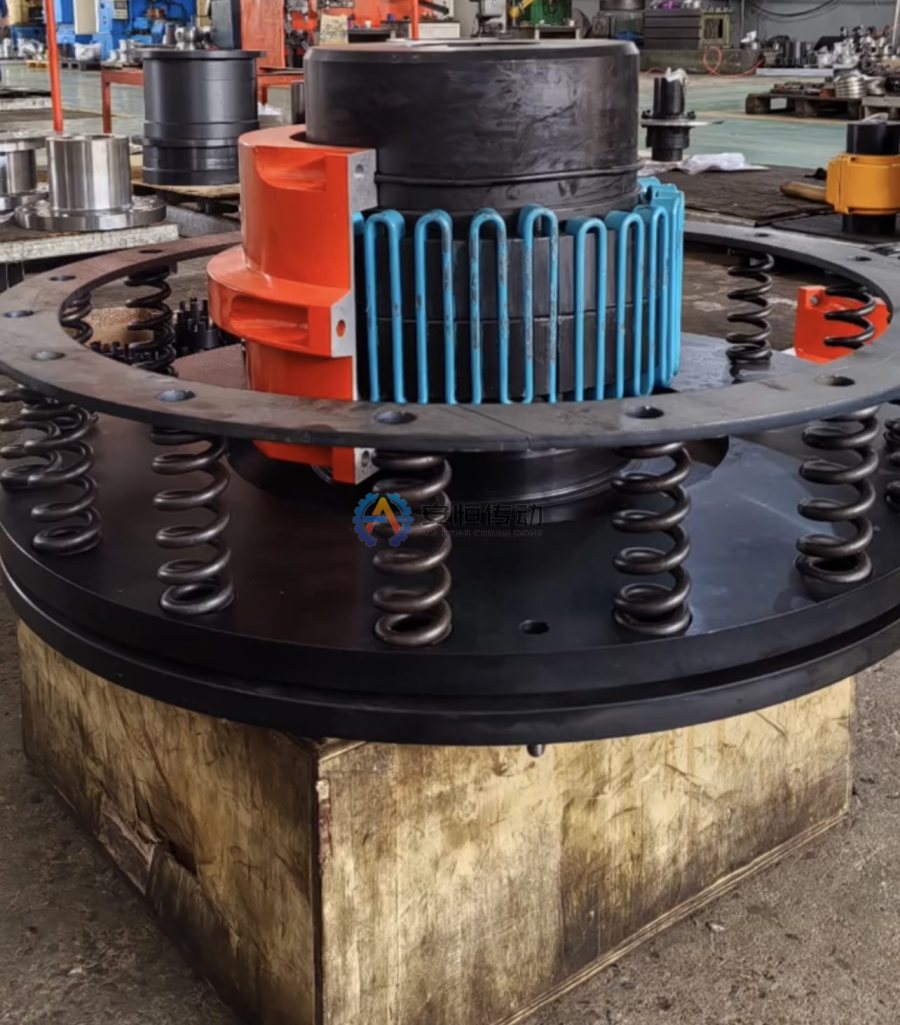
Confirm cutting thickness, cutting speed, knife inertia, release torque, reset method and electrical interlock. Relate the event to crop end, shear cycle, PLC permissive, trip signal, reset position and rotary knife when they were involved. Check release torque, repeatability, reset method, shock peak and line shutdown logic. Check the current shaft interface, movement and service route instead of treating a catalogue image as installed evidence.
Name what the candidate cannot solve: Flying Shear
Photograph the complete assembly before dismantling and keep the failed component. Compare knife phase, cut length, blade engagement, crank angle, encoder pulse with the timestamp of the first symptom. If a bore, keyway, guard or seal is worn, preserve the measurement as engineering evidence. Do not treat it as a normal flexible coupling. Release torque and action mode must match the protection logic. A flying shear must keep knife phase and cut-to-length timing while the carriage moves. The useful evidence is the encoder index, cam profile, blade clearance, shear dwell and trip output at the fault. Reset permissive, phase reference and restart inhibit belong in the PLC record before a release setting is changed.
Read the maintenance consequence: Flying Shear
The boundary for Flying Shear is evidence, not a larger nominal size. If knife phase, cut length, blade engagement is unknown, stop the approval and keep the missing torque, speed, interface and movement values open.
A comparison the RFQ can use: Flying Shear
Send the station, coupling position, normal and abnormal load description, speed, shaft measurements, movement, environment, quantity and drawings or photographs. In the field record, name what actually mattered, such as crop end, shear cycle, PLC permissive, trip signal, reset position and rotary knife. Use the relevant product data and recorded loads; do not invent a service factor when the event is unknown.
For Flying Shear, after the site data are complete, compare the Torque Limiter Coupling product information with the coupling measurement guide and related engineering note.
Questions worth answering before the RFQ: Flying Shear
What should the comparison record show?
Write the duty, evidence, limits and reason for the selected construction, with open data clearly marked.
Is a higher torque rating enough?
No. Compare movement, transient load, speed, fit, backlash, lubrication and maintenance consequence at the actual shaft position.
Need an engineering selection or replacement review?
Send power, speed, shaft diameters, keyway, installation dimensions, drawings or old-part photos. We will review the working condition before confirming the model and quotation.