
Technical Articles
Tension Bridle Roll: Diaphragm Coupling Comparison
A Diaphragm Coupling may be a sensible candidate for Tension Bridle Roll, but the comparison is not finished until its limits are written down and checked against the station record.
Define the shaft-position duty: Tension Bridle Roll
Main risks are excessive backlash, diaphragm fatigue, insufficient balancing and tension fluctuation from misalignment. For Tension Bridle Roll, record the installed coupling position and verify strip tension, speed cascade, low backlash and line tracking against the site record; name the component that must be protected. A diaphragm coupling requires no lubrication and has low backlash, which suits high-speed fans, pumps and drives with balancing requirements.
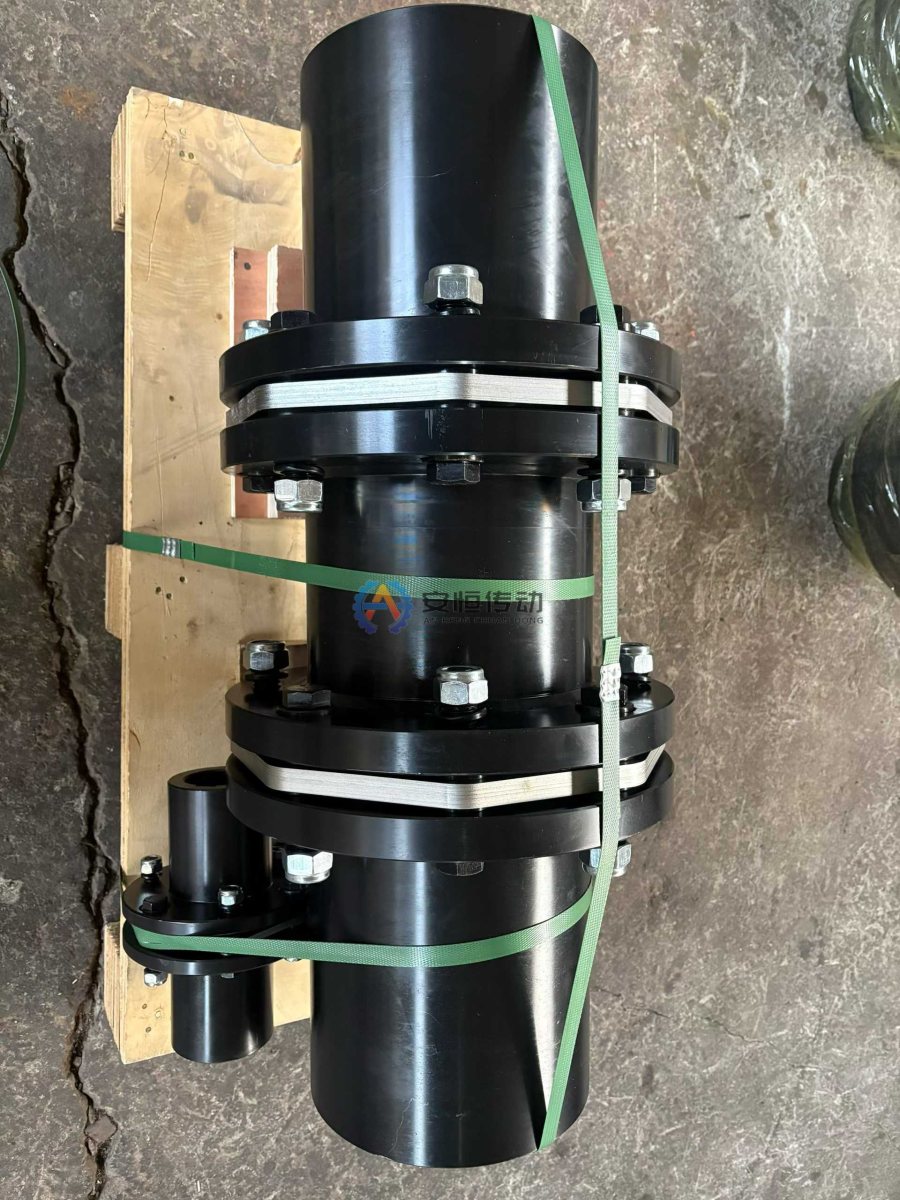
Put backlash, movement and peak load side by side: Tension Bridle Roll
Confirm tension range, roll diameter, line speed, synchronization control, axial movement and allowable backlash. Relate the event to line tracking, tension loop, diaphragm pack, roll surface, synchronization and strip tracking when they were involved. Check diaphragm pack arrangement, allowable speed, balancing grade, axial movement and guard clearance. Check the current shaft interface, movement and service route instead of treating a catalogue image as installed evidence.
Name what the candidate cannot solve: Tension Bridle Roll
Photograph the complete assembly before dismantling and keep the failed component. Compare bridle roll, strip tension, speed cascade, roll crown, low backlash with the timestamp of the first symptom. If a bore, keyway, guard or seal is worn, preserve the measurement as engineering evidence. Do not use it blindly where radial offset is large, foundation settlement is obvious or installation accuracy is poor. A tension bridle roll is part of a closed strip-tension loop. Record the speed cascade, line encoder, dancer-roll response and interstand span when tracking changes. Low backlash and a balanced diaphragm pack support synchronization, but strip scratches and rethreading events must be analysed as process evidence rather than treated as generic vibration.
Read the maintenance consequence: Tension Bridle Roll
Close the Tension Bridle Roll gate only when the site record supports the load event and the shaft interface. A higher rating alone is not a correction.
A comparison the RFQ can use: Tension Bridle Roll
Send the station, coupling position, normal and abnormal load description, speed, shaft measurements, movement, environment, quantity and drawings or photographs. In the field record, name what actually mattered, such as line tracking, tension loop, diaphragm pack, roll surface, synchronization and strip tracking. Use the relevant product data and recorded loads; do not invent a service factor when the event is unknown.
For Tension Bridle Roll, after the site data are complete, compare the Diaphragm Coupling product information with the coupling measurement guide and related engineering note.
Questions from the station record: Tension Bridle Roll
Is a higher torque rating enough?
No. Compare movement, transient load, speed, fit, backlash, lubrication and maintenance consequence at the actual shaft position.
What can a coupling construction not solve?
It cannot correct a bad foundation, poor alignment, an incompatible interface or a process event outside the stated duty.
Need an engineering selection or replacement review?
Send power, speed, shaft diameters, keyway, installation dimensions, drawings or old-part photos. We will review the working condition before confirming the model and quotation.