
Technical Articles
Blast Furnace Blower: Diaphragm Coupling Maintenance Guide
The Blast Furnace Blower maintenance review starts before the coupling is fitted. Check the shaft ends and guard, record the alignment method, and make the first loaded run a traceable test of the Diaphragm Coupling.
Start with the fit and the guard: Blast Furnace Blower
Main risks are diaphragm fatigue, high-speed vibration, thermal axial movement and alignment error after overhaul. For Blast Furnace Blower, record the installed coupling position and verify blower speed, thermal growth, surge trips and rotor vibration evidence against the site record; name the component that must be protected. A diaphragm coupling requires no lubrication and has low backlash, which suits high-speed fans, pumps and drives with balancing requirements.
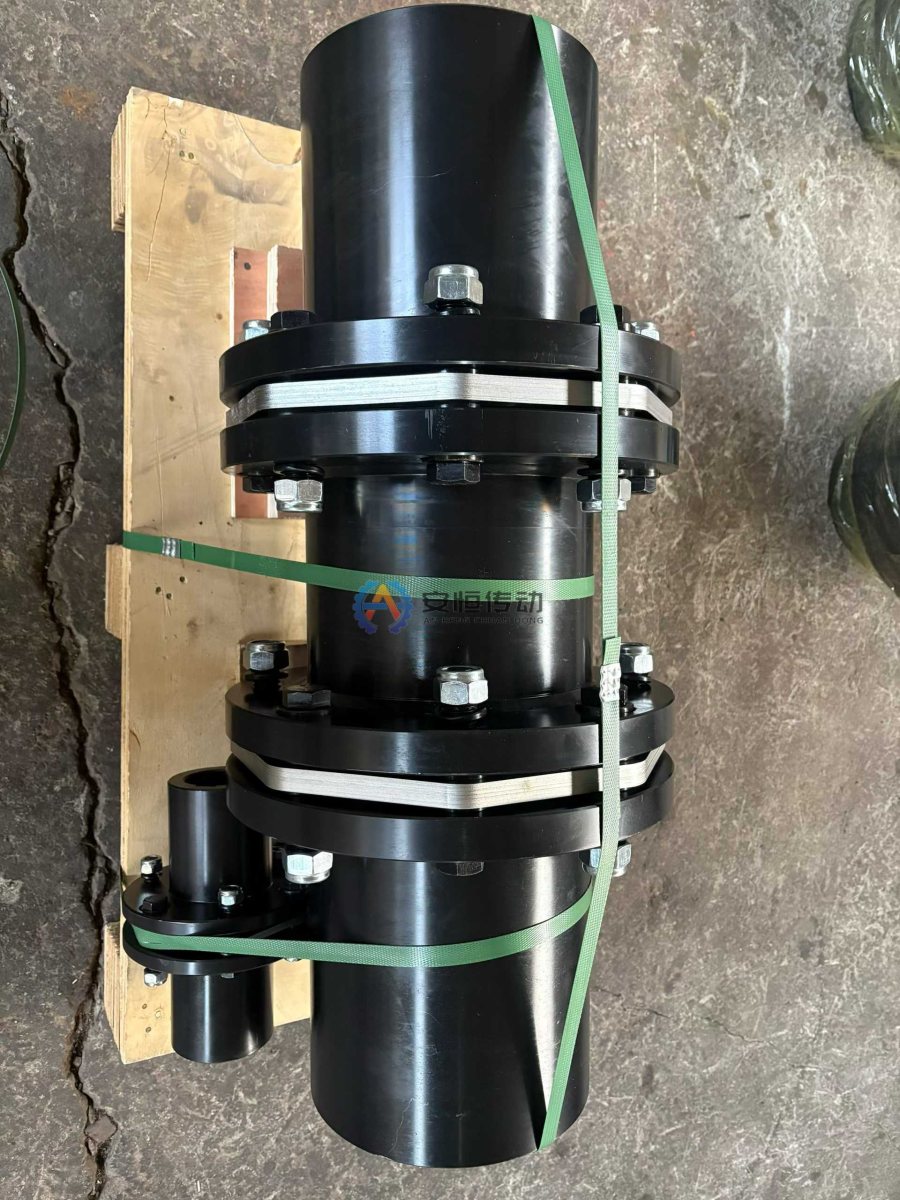
Record how the assembly was aligned: Blast Furnace Blower
Confirm blower power, operating speed, rotor weight, thermal axial movement, balancing requirement and interlock protection. Relate the event to thermal growth, surge event, high-speed trip, diaphragm pack, vibration trend and rotor train when they were involved. Check diaphragm pack arrangement, allowable speed, balancing grade, axial movement and guard clearance. Check the current shaft interface, movement and service route instead of treating a catalogue image as installed evidence.
What does the first run tell you? (Blast Furnace Blower)
Photograph the complete assembly before dismantling and keep the failed component. Compare blower rotor, inlet guide vane, hot alignment, balance report, bearing pedestal with the timestamp of the first symptom. If a bore, keyway, guard or seal is worn, preserve the measurement as engineering evidence. Do not use it blindly where radial offset is large, foundation settlement is obvious or installation accuracy is poor. A blast-furnace blower is a high-speed rotor train. Review the balance certificate, critical-speed margin, overspeed trip, seal-air condition and bearing orbit with the coastdown trace. Thermal growth and pedestal soft-foot after an overhaul are different from the dust loading and damper events found on an exhaust fan.
Close the installation record: Blast Furnace Blower
Do not approve Diaphragm Coupling for Blast Furnace Blower from motor power or an old model number. The decision stays open until blower rotor, inlet guide vane, hot alignment and the unmeasured torque, speed, bore, keyway, DBSE and movement are checked.
Maintenance notes for the next outage: Blast Furnace Blower
Send the station, coupling position, normal and abnormal load description, speed, shaft measurements, movement, environment, quantity and drawings or photographs. In the field record, name what actually mattered, such as thermal growth, surge event, high-speed trip, diaphragm pack, vibration trend and rotor train. Use the relevant product data and recorded loads; do not invent a service factor when the event is unknown.
For Blast Furnace Blower, after the site data are complete, compare the Diaphragm Coupling product information with the coupling measurement guide and related engineering note.
Two checks before release: Blast Furnace Blower
What belongs in the first loaded-run record?
Record speed, load state, temperature, vibration, noise, fastener condition and the state of grease or wear parts.
When is the installation ready for acceptance?
After fit, alignment, tightening, guarding and the first controlled load run are documented against the approved drawing.
Need an engineering selection or replacement review?
Send power, speed, shaft diameters, keyway, installation dimensions, drawings or old-part photos. We will review the working condition before confirming the model and quotation.