
Technical Articles
Coupling Speed Rating and Critical-Speed Screening for Industrial Drives
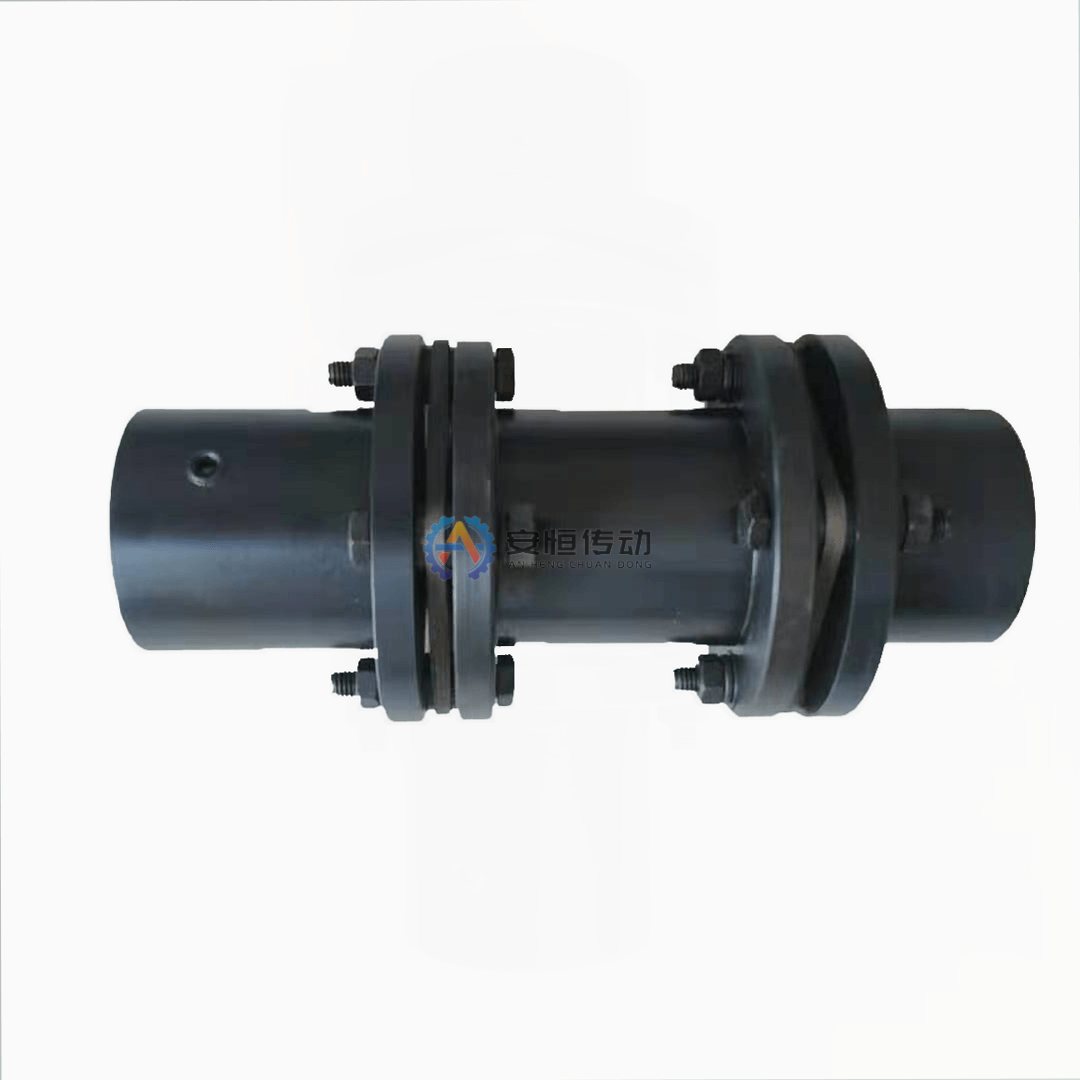
A coupling speed rating is not the same as a motor's rated speed. The engineer must check balance, bore geometry, torsional stiffness, rotor dynamics, guard clearance, and any critical-speed crossing during run-up or coast-down.
Screen operating speed against the critical-speed limit
Fans, pumps, test stands, and high-speed spindles can show vibration even when torque is modest. A coupling with a large unbalance or poor hub fit may excite a resonance. The risk is higher when a flexible element changes stiffness with temperature or speed.
Open engineering data for Coupling Speed Rating and Critical-Speed Screening for
Confirm normal speed, overspeed test speed, acceleration and coast-down range, rotor inertia, shaft diameter, bore fit, keyway, DBSE, balance grade, and the manufacturer's allowable speed. Identify whether the coupling is between balanced rotors or connected to a flexible shaft.
For coupling speed and critical speed, start with the Diaphragm Coupling page. Use the custom replacement coupling page when the installed interface is no longer catalogue standard.
| Engineering input | Confirmation required |
|---|---|
| Load cycle | Continuous, start-up, reversing and blocked-load torque |
| Speed and movement | Normal speed, axial displacement and angular misalignment |
| Interface | Bore, keyway, hub length, DBSE and guard envelope |
| Environment | Temperature, dust, moisture, lubricant or elastomer exposure |
Look past the catalogue rating: Coupling Speed Rating and Critical-Speed Screening for
Screen the first critical speed with the rotor supplier, then check coupling balance and fit. Do not claim a universal safety margin; use the approved dynamic data. Verify that the bore and key do not create excessive eccentricity and that the guard cannot rub during movement.
For coupling speed and critical speed, the diaphragm coupling guide for pumps and fans is useful when the failure history suggests that the rating basis or transient load has been misunderstood.
Compare the work after installation: Coupling Speed Rating and Critical-Speed Screening for
Clean mating faces, use the specified balance orientation, and measure runout before final tightening. Perform a low-speed bump test, then record vibration through the operating range. If a balance correction is required, document its plane and amount.
Where does each construction work? (Coupling Speed Rating and Critical-Speed Screening for)
A vibration peak that follows speed is different from a vibration peak that follows load. Check coupling runout, hub fit, balance marks, bearing condition, and alignment before changing the coupling. Hot flexible elements can also shift the response.
On a coupling speed and critical speed installation, do not replace the worn part before checking the shaft, keyway, bearings, guard and machine alignment. Read the damage as evidence, then check the surrounding machine before choosing the part.
The evidence behind the choice: Coupling Speed Rating and Critical-Speed Screening for
Send speed range, overspeed requirement, rotor data, coupling drawing, bore and keyway, balance grade, DBSE, vibration history, and guard dimensions. Ask the supplier to confirm the rating basis and any restrictions on balancing or machining.
Two practical questions: Coupling Speed Rating and Critical-Speed Screening for
Is a higher torque rating enough?
No. Compare movement, transient load, speed, fit, backlash, lubrication and maintenance consequence at the actual shaft position.
What can a coupling construction not solve?
It cannot correct a bad foundation, poor alignment, an incompatible interface or a process event outside the stated duty.
Send a reviewable engineering request: Coupling Speed Rating and Critical-Speed Screening for
For the “Coupling Speed Rating and Critical-Speed Screening for” review, send the equipment name, operating duty, available torque and speed data, shaft drawing or clear photos, quantity and delivery need through technical RFQ form. Keep measured values separate from estimates so the drawing review can see what is still open.
Need an engineering selection or replacement review?
Send power, speed, shaft diameters, keyway, installation dimensions, drawings or old-part photos. We will review the working condition before confirming the model and quotation.