Technical Articles
Pin Bush Coupling Selection Guide for General Machinery
Start with the station load path: Pin Bush Coupling Selection Guide for General Machinery
This guide covers “Pin Bush Coupling Selection Guide for General Machinery”. Start with the duty at the installed shaft; the catalogue family comes after the event is clear. Confirm transmitted and peak torque, starting method, shock load, duty cycle and available installation space before comparing models. Keep torque, speed, bore, keyway, duty and RFQ evidence in the same record.
For general machinery, a reliable selection also depends on bore fit, keyway standard, shaft-end distance, lubrication or wear-part maintenance, balance grade and the condition of the connected reducer, motor and driven equipment.
Use the event, not a copied service factor: Pin Bush Coupling Selection Guide for General Machinery
For general machinery, confirm rated torque, peak torque, RPM, shaft diameters d1/d2, bore type, keyway, DBSE, allowable outside diameter, axial movement, angular or radial misalignment, ambient temperature and start-stop frequency before choosing a model.
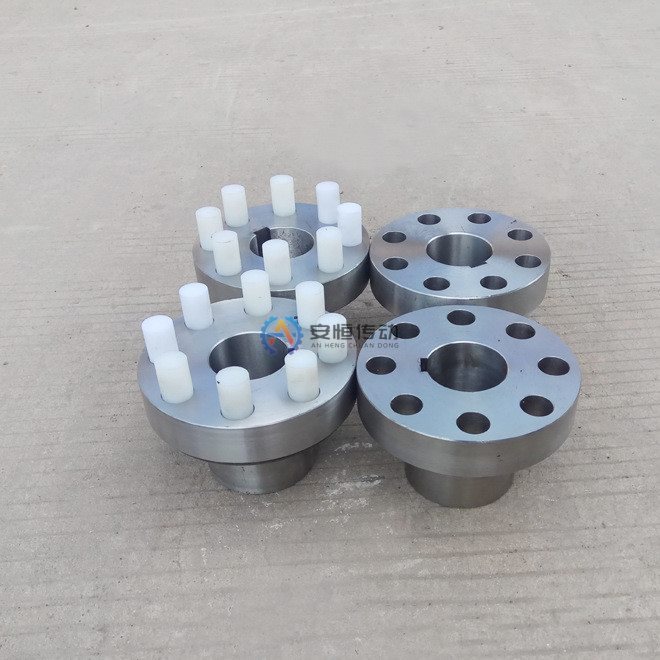
For a pin-and-bush replacement, measure both bores, the pin circle, bush diameter, hub length and guard clearance; include photos of worn bushes.
Set the boundary before approval: Pin Bush Coupling Selection Guide for General Machinery
Pin-and-bush couplings suit general machinery when the elastomer elements can be inspected and the shaft fits are controlled; check peak starts before approval.
Keep the evidence with the selection: Pin Bush Coupling Selection Guide for General Machinery
For general machinery, do not upgrade or downsize the coupling only by outside diameter. Two couplings with similar appearance can have different torque capacity, bore length, material, heat treatment and balance limits.
Hand over a usable RFQ: Pin Bush Coupling Selection Guide for General Machinery
For general machinery, send equipment name, power, speed, torque requirement, shaft diameters, keyway standard, quantity, drawing or old coupling photos, working environment and urgency. The drawing review can then separate a catalogue model or a safer custom replacement route.
FAQ | Pin Bush for General Machinery
Can the coupling be selected only by motor power?
No. A pin-and-bush selection must also check peak starts, bush temperature, bore fit and the actual duty cycle.
What information should be sent for a fast quotation?
For general machinery, send equipment name, power, RPM, shaft diameters d1/d2, keyway standard, DBSE, operating environment, drawing or old part photos. This lets the review confirm a catalogue model or a custom replacement.
Inspecting the pin bushes and shaft fit
On a general machinery drive, inspect each pin bush for flattening, hardening, tearing or contact that reaches the metal washer. Check whether the wear is even around the circle; a single loaded sector can point to angular misalignment or a loose hub rather than normal ageing.
After the coupling is removed, clean the shaft and verify the hub fit before installing new bushes. Set the specified DBSE and alignment, then run the drive unloaded before the first production cycle. Record noise and temperature so a later change can be compared with the initial baseline.
For a general machinery drive, send the measured bores, keyway, DBSE, speed, torque event and clear photos. Compare the Pin Bush Coupling data with the relevant application notes before requesting a replacement drawing.
Need an engineering selection or replacement review?
Send power, speed, shaft diameters, keyway, installation dimensions, drawings or old-part photos. We will review the working condition before confirming the model and quotation.