
Technical Articles
Pin Bush Coupling Elastomer Inspection: Wear Patterns and Replacement Timing
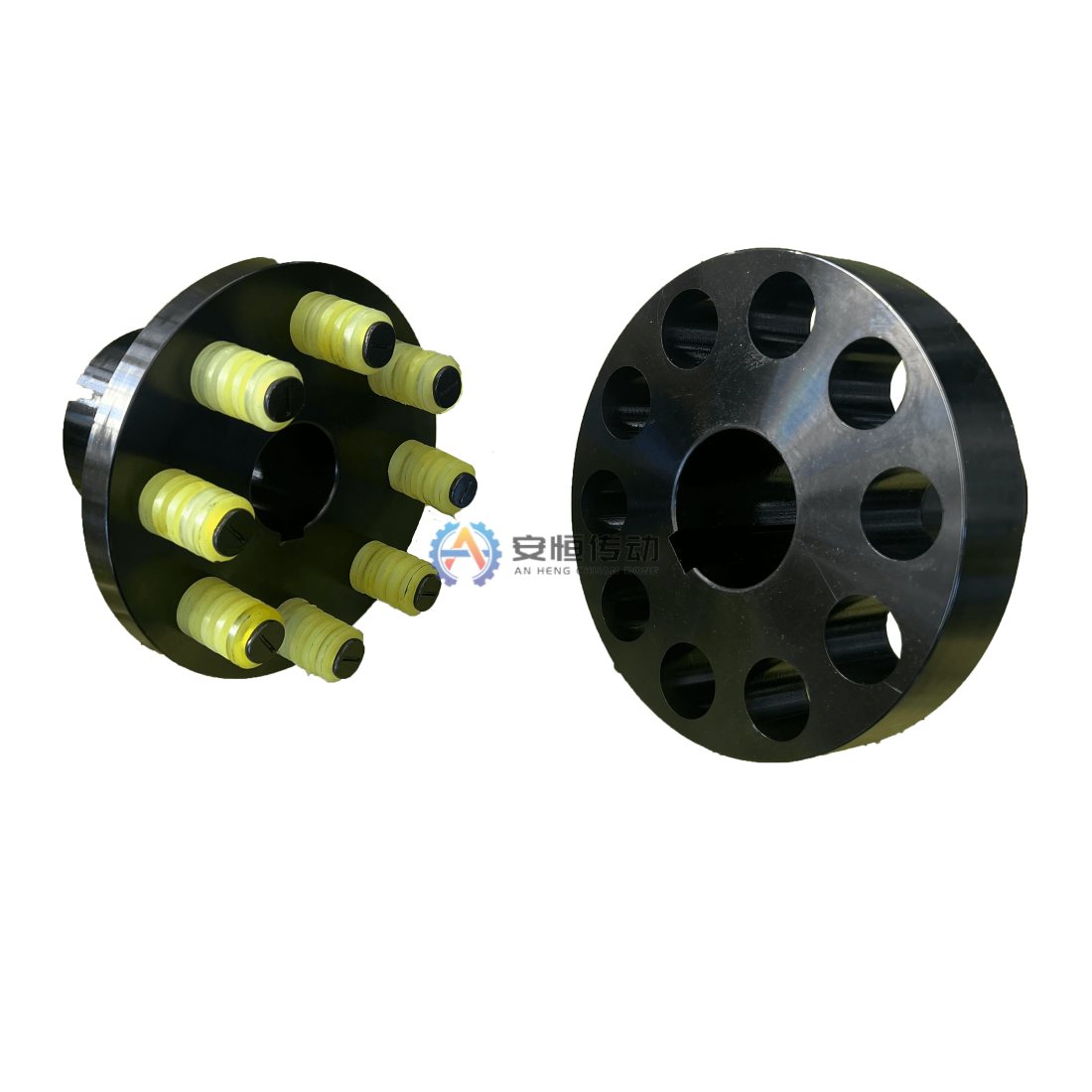
Pin bush elastomers should be inspected for compression set, cracking, extrusion, hardening, swelling, and uneven contact. The replacement decision depends on the damage pattern and operating environment, not only on whether the bush still appears present.
Read pin-bush elastomer damage before replacement
A pump may run smoothly while bushes age from heat or oil exposure. A conveyor can crush bushes during loaded starts. A mixer can show alternating wear when the drive reverses. The same visual symptom can therefore have different causes.
Open engineering data for Pin Bush Coupling Elastomer Inspection
Record bush material, temperature, oil or chemical exposure, start frequency, torque peak, pin diameter, bush length, hub spacing, and alignment. Confirm whether the original bush is a standard material and whether the replacement must match hardness or dimensions.
For pin bush elastomer inspection, start with the Pin Bush Coupling page. Use the custom replacement coupling page when the installed interface is no longer catalogue standard.
| Engineering input | Confirmation required |
|---|---|
| Load cycle | Continuous, start-up, reversing and blocked-load torque |
| Speed and movement | Normal speed, axial displacement and angular misalignment |
| Interface | Bore, keyway, hub length, DBSE and guard envelope |
| Environment | Temperature, dust, moisture, lubricant or elastomer exposure |
Separate the machine fault from coupling damage: Pin Bush Coupling Elastomer Inspection
Check the elastomer shear load at rated and peak torque, the pin bending, and the available compression space. Do not increase hardness or change material without reviewing damping and shaft loads. A stronger bush can move the failure into the pin or hub.
For pin bush elastomer inspection, the pin bush coupling selection guide is useful when the failure history suggests that the rating basis or transient load has been misunderstood.
Prove the repair on the next run: Pin Bush Coupling Elastomer Inspection
Replace bushes as a matched set, clean the holes, inspect pins and flanges, and set the DBSE from the drawing. Check alignment and fastener torque after the first loaded run. Store spare elastomers away from heat, oil, ozone, and direct sunlight.
Keep the failed part and its measurements: Pin Bush Coupling Elastomer Inspection
Cracking near the pin, radial extrusion, glazed surfaces, swelling, and polished one-sided contact should be photographed. If all bushes fail at the same interval, compare temperature, lubricant contamination, and starting torque with the original specification.
On a pin bush elastomer inspection installation, do not replace the worn part before checking the shaft, keyway, bearings, guard and machine alignment. Read the damage as evidence, then check the surrounding machine before choosing the part.
Diagnosis handover for this station: Pin Bush Coupling Elastomer Inspection
Send bush photos, material or hardness markings, pin and hole dimensions, torque, speed, temperature, oil exposure, shaft data, DBSE, and quantity. Ask the supplier to state the selected elastomer and the reason for any material change.
Two practical questions: Pin Bush Coupling Elastomer Inspection
Can a coupling symptom prove the root cause?
No. Check the machine event, shaft, key, bearings, foundation, guard and alignment before assigning the cause to the coupling.
What should be repeated after repair?
Repeat the measurement or operating check that first exposed the problem, under a comparable load, and keep the result with the failure record.
Send a reviewable engineering request: Pin Bush Coupling Elastomer Inspection
For the “Pin Bush Coupling Elastomer Inspection” review, send the equipment name, operating duty, available torque and speed data, shaft drawing or clear photos, quantity and delivery need through technical RFQ form. Keep measured values separate from estimates so the drawing review can see what is still open.
Need an engineering selection or replacement review?
Send power, speed, shaft diameters, keyway, installation dimensions, drawings or old-part photos. We will review the working condition before confirming the model and quotation.