
Technical Articles
Slurry Pump Impeller Adjustment: How to Recheck Coupling Gap and Alignment Afterwards
On a slurry pump, closing the impeller clearance means moving the bearing assembly forward, and the pump shaft and its coupling hub move with it. That changes the gap between the coupling halves and can disturb alignment, yet the coupling is often left as it is once the pump turns freely. Typical scenario: after an impeller adjustment the coupling gap opens up, nobody checks it, and the elastic bushes are worn out long before the next scheduled change.
Why an impeller adjustment changes the coupling
The adjusting screw pushes the whole bearing assembly along its seat to bring the impeller closer to the front liner. The pump shaft end moves by the same amount, so the distance between shaft ends, and with it the gap between the two coupling halves, changes while the motor stays where it was.
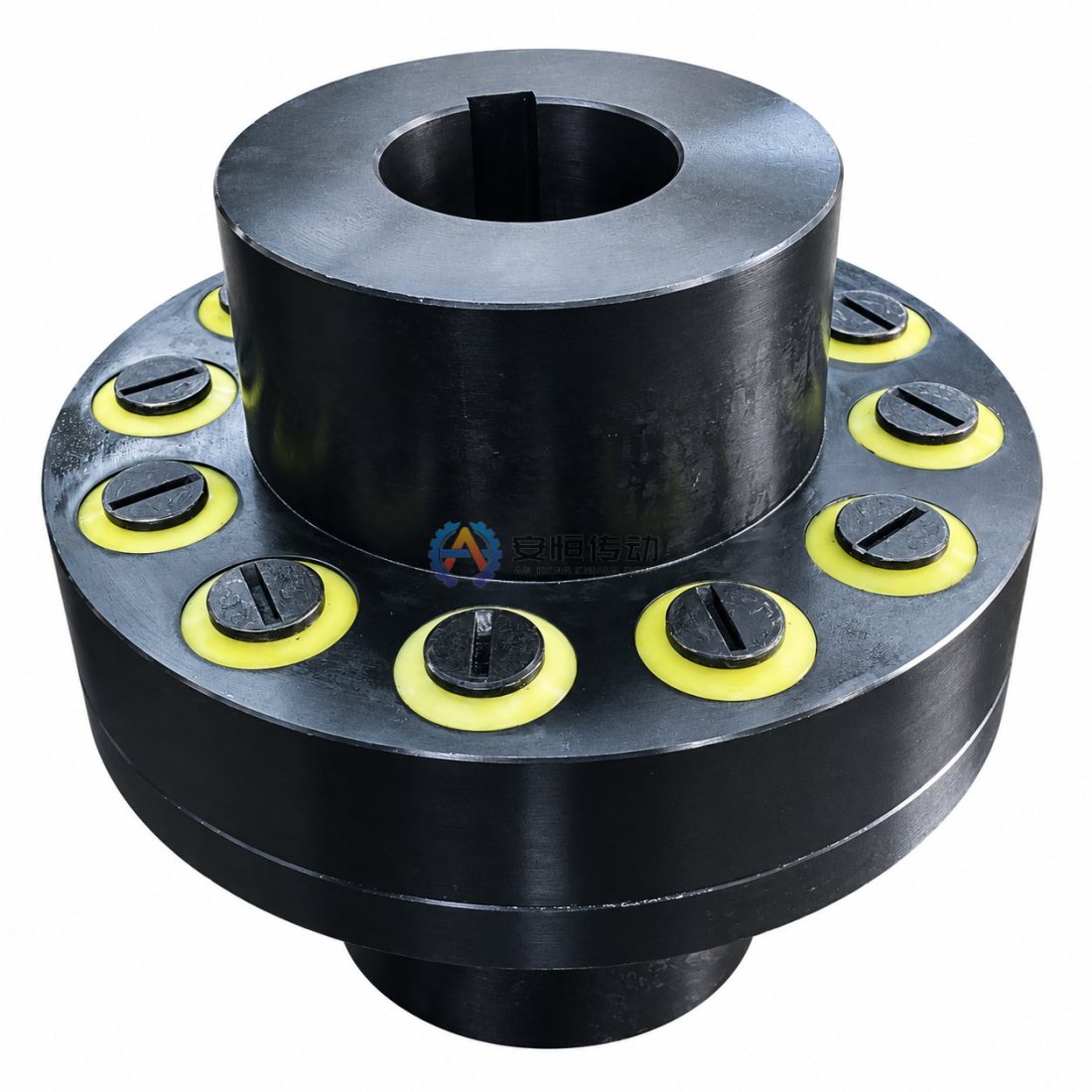
Alignment can shift too. If the bearing housing clamp bolts are released and retightened unevenly, or the seat is worn or dirty, the assembly can settle slightly high, low or skewed, which turns into offset and angular misalignment at the coupling. On a Pin Bush Coupling both changes land on the elastic bushes: a wrong gap shortens their engagement, and misalignment makes them work against one side of the pin holes.
Record before, recheck after
The simplest habit is to measure the coupling before touching the adjusting screw, so there is a reference to come back to. Record these items each time:
- Gap between the coupling half faces, measured at top, bottom and both sides.
- Offset and angular alignment readings, by dial indicator or laser, in the vertical and horizontal planes.
- The position of the bearing assembly before adjustment and the amount it was moved.
- Condition of the bushes and pins, with a photo if possible.
After the adjustment, tighten the bearing housing clamp bolts evenly in the sequence the pump manual gives, turn the shaft by hand to confirm the impeller does not rub, and then measure the coupling again. If the face gap is now outside the coupling specification, correct it by moving the motor, not by giving up impeller clearance; then recheck offset and angular alignment, because moving one machine always affects both.
Inspecting the pin bush coupling
With the coupling guard off anyway, look at the bushes, pins and holes before the pump goes back into service. The wear pattern usually tells you what the coupling has been living with:
| What you see | What it means |
|---|---|
| Bushes worn on one side, all in the same direction | Angular or offset misalignment |
| Bush edges worn or flared at one end | Face gap too large, short bush engagement |
| Bushes cracked, hardened or swollen | Age, heat, or contact with oil or slurry |
| Pins with a worn step where the bush sits | Bushes left in service too long, or loose bushes |
| Pin holes in the hub oval or enlarged | New bushes will sit loose; hub repair or replacement needed |
Also check axial margin: the pins should still be able to slide in the bushes without the hubs touching, and the bushes should engage their full length. Replace bushes as a full set, never one or two, since mixed old and new bushes share torque unevenly. For more on reading elastomer wear, see our elastomer inspection guide.
When the motor has to move
Moving the motor is routine work, but it is where most alignment mistakes are made. Clean the motor feet and base, use as few shims as possible, free of burrs and dirt, and check for soft foot before you start, because a rocking foot spoils every reading that follows.
Work in a fixed order so that each step does not undo the previous one. This is the sequence most fitters use:
- Loosen the anchor bolts and set the axial face gap with jacking screws.
- Correct vertical angle and offset with shims.
- Correct horizontal angle and offset by moving the motor sideways.
- Tighten the anchor bolts in sequence, then take a full final set of readings, because tightening often moves the motor.
If the final readings drift after tightening, look for soft foot or a damaged shim pack rather than chasing the numbers. A quick recheck after the first run is worthwhile, since a disturbed base and freshly tightened bolts can still settle.
Link pump records to bush replacement
Impeller adjustments follow pump wear, so they are a natural inspection point for the coupling. Log each adjustment together with the coupling face gap, alignment readings and bush condition, and the record soon shows how bush wear follows adjustments and alignment quality.
Use that record to set the bush change interval instead of waiting for failure. If bushes wear much faster after some adjustments than after others, compare the alignment readings for those occasions; rising vibration after an adjustment is a useful clue when combined with those readings, but it does not locate the problem by itself.
FAQ
Can I skip the coupling check if the pump turns freely?
No. A free-turning shaft only tells you the impeller is not rubbing; it says nothing about the coupling face gap or alignment, which are what wear the bushes.
Can I set the gap by adjusting the pump instead of the motor?
Not if it costs impeller clearance, since that clearance is the reason for the adjustment. Set the impeller first, then bring the motor to the coupling.
When should the whole coupling be replaced, not just the bushes?
When pin holes in the hub are oval or enlarged, pins are stepped or bent, or hubs are cracked. New bushes in worn holes or on worn pins fail quickly, so replace the worn parts or the coupling; when ordering, see our guide to the data needed for an accurate quote.
Make the coupling check part of every impeller adjustment: record before, recheck face gap and alignment after, inspect the bushes and keep the log. If hubs or pins are worn, we make replacement pin bush couplings from drawings or from photos and measured dimensions; standard sizes ship in as little as 10 days and copies made from an old part take from 20 days, and a material certificate (mill test certificate) and dimensional inspection report can be supplied with the shipment. Send us your drawing with shaft sizes and pump and motor data.
Need an engineering selection or replacement review?
Send power, speed, shaft diameters, keyway, installation dimensions, drawings or old-part photos. We will review the working condition before confirming the model and quotation.