Technical Articles
Galvanizing Line Auxiliary Roll Drive: Pin Bush Coupling
A Pin Bush Coupling for Galvanizing Line Auxiliary Roll Drive is chosen from the station duty. The name in the catalogue comes later. First write down the load event, the shaft position and the evidence that can be checked after the machine runs.
Start with the station load path: Galvanizing Line Auxiliary Roll Drive
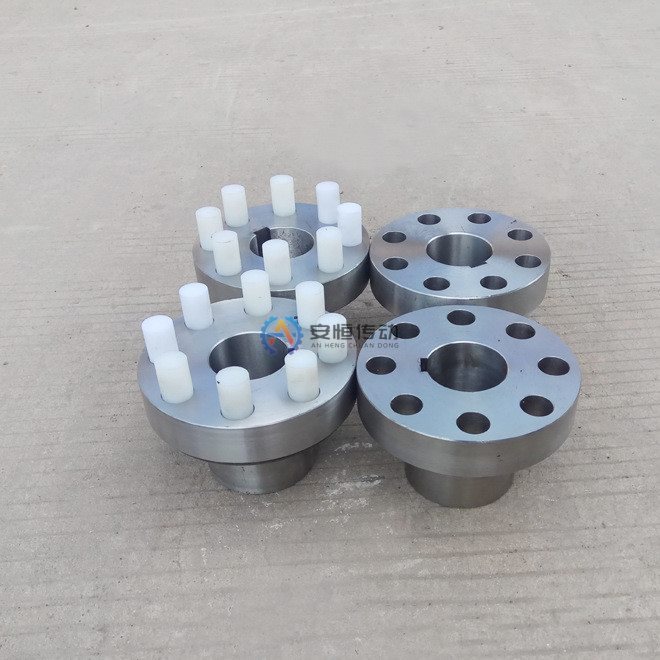
Main risks are bush aging, slight roll jamming, shaft offset and wear from frequent starts. For Galvanizing Line Auxiliary Roll Drive, record the installed coupling position and verify sink-roll duty, zinc dust, bush temperature and continuous running against the site record; name the component that must be protected. A pin bush coupling is simple and easy to maintain, suitable for auxiliary rollers, feeders and medium-small power drives.
Use the event, not a copied service factor: Galvanizing Line Auxiliary Roll Drive
Confirm roll diameter, line speed, temperature, shaft/keyway, start frequency and spare-part interval. Relate the event to roll change, bush temperature, splash guard, auxiliary roll, continuous run and air knife when they were involved. Check pins, rubber bushes, end clearance, shaft/keyway and wear-part replacement interval. Check the current shaft interface, movement and service route instead of treating a catalogue image as installed evidence.
Set the boundary before approval: Galvanizing Line Auxiliary Roll Drive
Photograph the complete assembly before dismantling and keep the failed component. Compare sink roll, zinc dust, strip loop, line speed, coating pot with the timestamp of the first symptom. If a bore, keyway, guard or seal is worn, preserve the measurement as engineering evidence. It is not preferred for large angular deviation or high-shock main drives because the bushes may wear quickly.
Keep the evidence with the selection: Galvanizing Line Auxiliary Roll Drive
Do not use the Pin Bush Coupling to hide a process fault at Galvanizing Line Auxiliary Roll Drive. Check sink roll, zinc dust, strip loop, then record which limit is verified and which one remains unknown.
Hand over a usable RFQ: Galvanizing Line Auxiliary Roll Drive
Send the station, coupling position, normal and abnormal load description, speed, shaft measurements, movement, environment, quantity and drawings or photographs. In the field record, name what actually mattered, such as roll change, bush temperature, splash guard, auxiliary roll, continuous run and air knife. Use the relevant product data and recorded loads; do not invent a service factor when the event is unknown.
For Galvanizing Line Auxiliary Roll Drive, after the site data are complete, compare the Pin Bush Coupling product information with the coupling measurement guide and related engineering note.
Questions from the station record: Galvanizing Line Auxiliary Roll Drive
Which event should control the size decision?
Use the recorded event at the coupling position, including direction, duration, repetition and consequence. A catalogue rating is a starting point, not a substitute for the station record.
What must remain open before approval?
Keep torque, speed, bore, keyway, DBSE, movement and environment marked as site confirmation required until a drawing or measurement supports them.
Need an engineering selection or replacement review?
Send power, speed, shaft diameters, keyway, installation dimensions, drawings or old-part photos. We will review the working condition before confirming the model and quotation.