
Technical Articles
Crusher: Grid Coupling Failure Diagnosis
The first useful question at Crusher is not ‘which coupling failed?’ It is what happened at the shaft position, and whether the same event can be reproduced without putting people at risk.
What changed before the symptom appeared? (Crusher)
Main risks are foreign material jamming, reverse shock, grid fatigue, cover sealing failure and foundation vibration. For Crusher, record the installed coupling position and verify foreign-object shock, blocked-chamber response, grid condition and restart clearance against the site record; name the component that must be protected. A grid coupling uses the flexible grid to absorb shock and is suitable for frequent starts, load fluctuation and moderate misalignment.
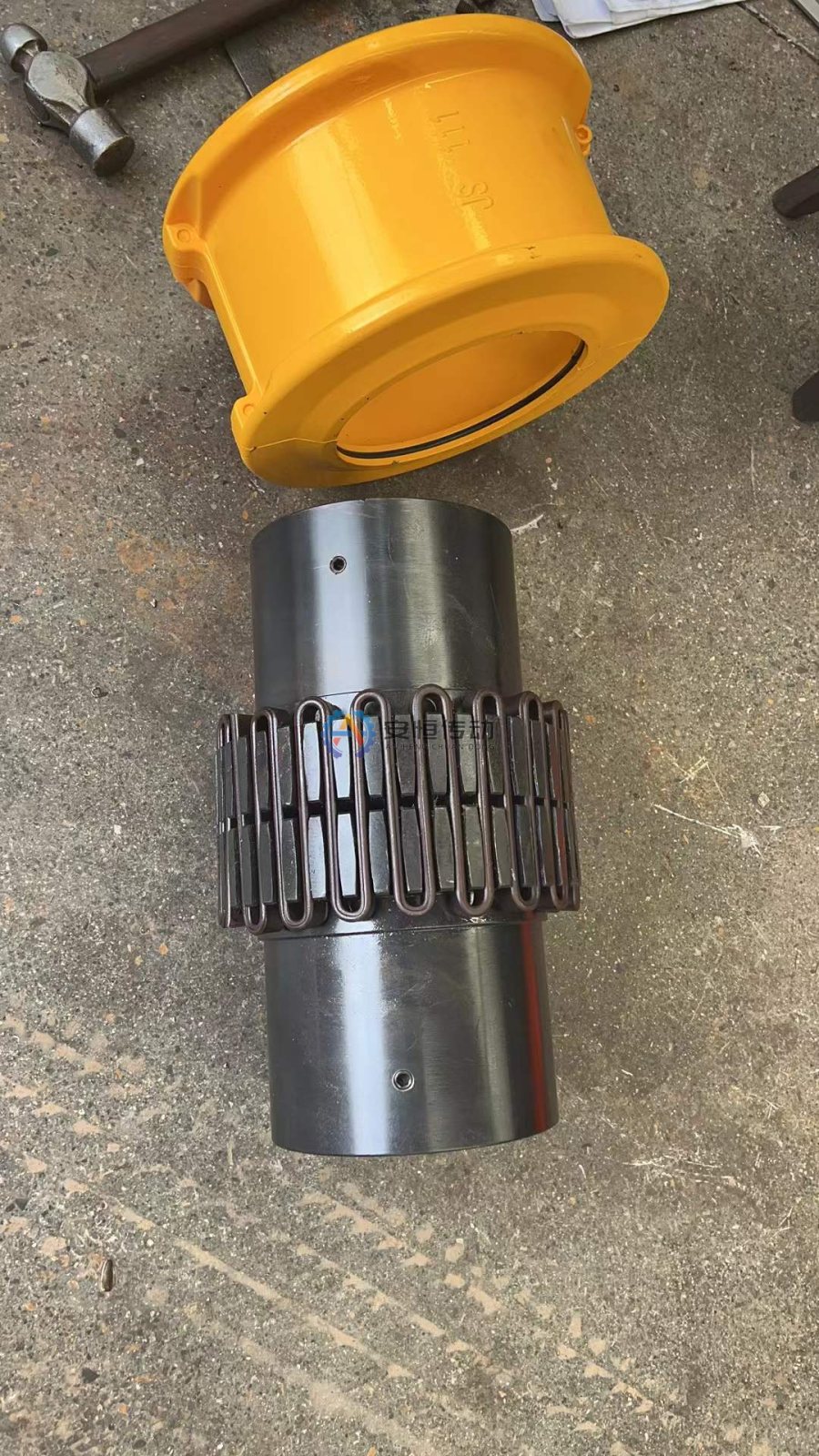
Check the surrounding machine before blaming the coupling: Crusher
Confirm material hardness, maximum feed size, capacity, hydraulic coupling if any, starting method and jam protection. Relate the event to reverse shock, grid spring, blocked chamber, foundation bolts, feed chute and impact bed when they were involved. Check grid size, cover sealing, grease interval and wear on the hub grooves. Check the current shaft interface, movement and service route instead of treating a catalogue image as installed evidence.
Let the damage pattern set the next check: Crusher
Photograph the complete assembly before dismantling and keep the failed component. Compare crusher rotor, lump size, foreign object, jaw setting, flywheel with the timestamp of the first symptom. If a bore, keyway, guard or seal is worn, preserve the measurement as engineering evidence. Do not select only by motor power. Jam, reversing, inching and braking shock can raise the real torque.
Use a controlled re-test: Crusher
For Crusher, a copied model is only a reference. Release the Grid Coupling after the event, interface, guard and service route are traceable; otherwise return it for site confirmation.
Evidence to send with the request: Crusher
Send the station, coupling position, normal and abnormal load description, speed, shaft measurements, movement, environment, quantity and drawings or photographs. In the field record, name what actually mattered, such as reverse shock, grid spring, blocked chamber, foundation bolts, feed chute and impact bed. Use the relevant product data and recorded loads; do not invent a service factor when the event is unknown.
For Crusher, after the site data are complete, compare the Grid Coupling product information with the coupling measurement guide and related engineering note.
FAQ for the engineering handover: Crusher
Does a larger coupling solve the diagnosis?
Not by itself. A larger outside diameter cannot correct a wrong fit, poor alignment or an unrecorded process event.
What belongs in the evidence pack?
Keep timestamped photos, the removed part, interface measurements, operating history and the check that will verify the repair.
Need an engineering selection or replacement review?
Send power, speed, shaft diameters, keyway, installation dimensions, drawings or old-part photos. We will review the working condition before confirming the model and quotation.