
Technical Articles
Belt Conveyor: Grid Coupling Selection Guide
For Belt Conveyor, the useful starting point is the event at the coupling position, not the catalogue family. Record how the machine starts, stops and loads the shaft; keep the Grid Coupling provisional until the interface and movement are measured.
What happens at the coupling position? (Belt Conveyor)
Main risks are starting shock, jam overload, gearbox shaft alignment error and dust entering the cover. For Belt Conveyor, record the installed coupling position and verify belt loading, backstop action, belt tracking and dust ingress against the site record; name the component that must be protected. A grid coupling uses the flexible grid to absorb shock and is suitable for frequent starts, load fluctuation and moderate misalignment.
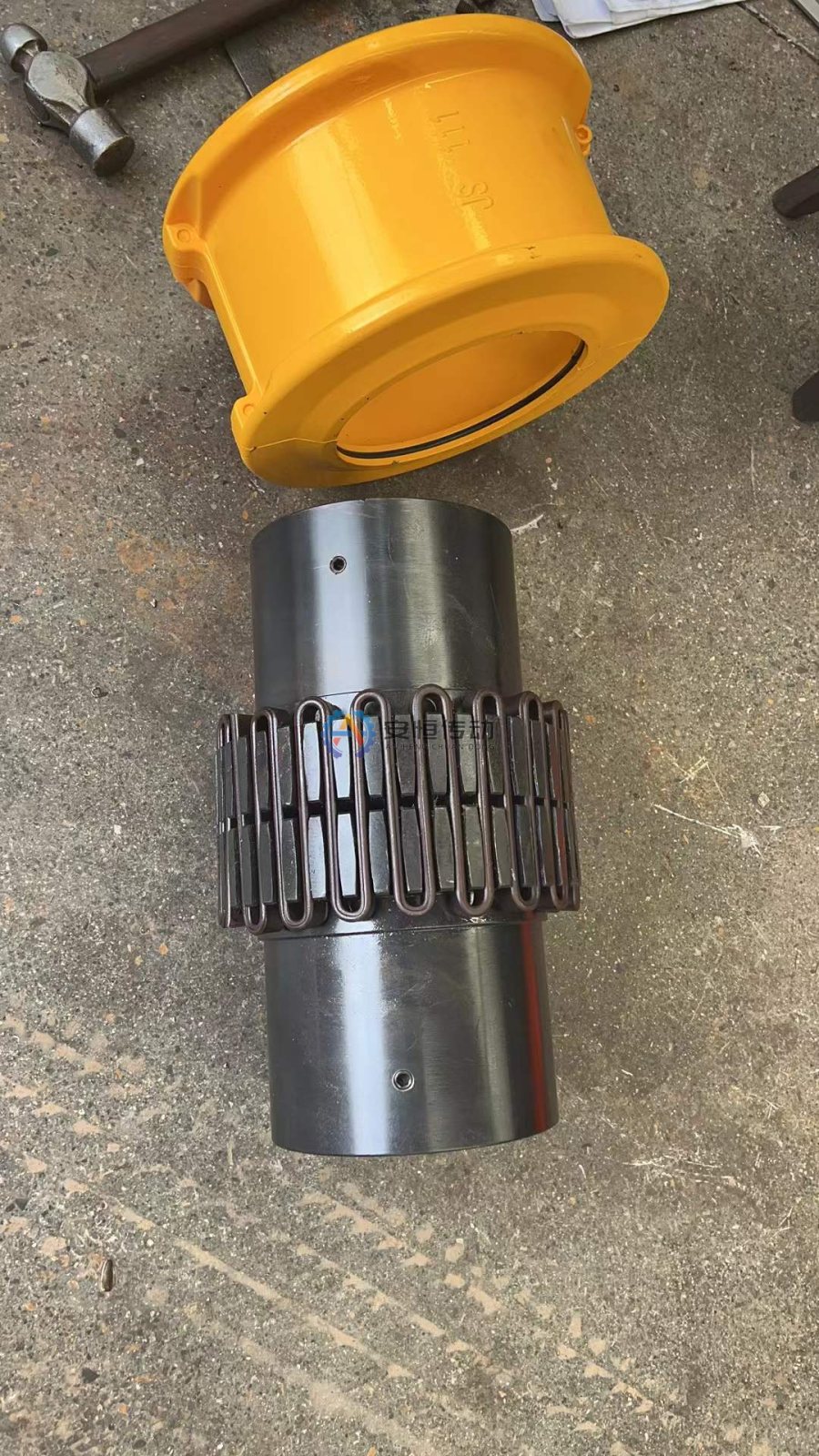
Record the duty before choosing a size: Belt Conveyor
Confirm belt width, conveyor length, pulley diameter, backstop, braking method and whether full-load start is required. Relate the event to belt tracking, skirt board, full-load start, material build-up, dust ingress and transfer tower when they were involved. Check grid size, cover sealing, grease interval and wear on the hub grooves. Check the current shaft interface, movement and service route instead of treating a catalogue image as installed evidence.
Where does this coupling stop being suitable? (Belt Conveyor)
Photograph the complete assembly before dismantling and keep the failed component. Compare head pulley, tail pulley, take-up, backstop, chute plugging with the timestamp of the first symptom. If a bore, keyway, guard or seal is worn, preserve the measurement as engineering evidence. Do not select only by motor power. Jam, reversing, inching and braking shock can raise the real torque.
Close the decision with site evidence: Belt Conveyor
Do not approve Grid Coupling for Belt Conveyor from motor power or an old model number. The decision stays open until head pulley, tail pulley, take-up and the unmeasured torque, speed, bore, keyway, DBSE and movement are checked.
RFQ notes for this station: Belt Conveyor
Send the station, coupling position, normal and abnormal load description, speed, shaft measurements, movement, environment, quantity and drawings or photographs. In the field record, name what actually mattered, such as belt tracking, skirt board, full-load start, material build-up, dust ingress and transfer tower. Use the relevant product data and recorded loads; do not invent a service factor when the event is unknown.
For Belt Conveyor, after the site data are complete, compare the Grid Coupling product information with the coupling measurement guide and related engineering note.
Questions from the station record: Belt Conveyor
Which event should control the size decision?
Use the recorded event at the coupling position, including direction, duration, repetition and consequence. A catalogue rating is a starting point, not a substitute for the station record.
What must remain open before approval?
Keep torque, speed, bore, keyway, DBSE, movement and environment marked as site confirmation required until a drawing or measurement supports them.
Need an engineering selection or replacement review?
Send power, speed, shaft diameters, keyway, installation dimensions, drawings or old-part photos. We will review the working condition before confirming the model and quotation.