
Technical Articles
Heavy Duty Feeder: Safety Coupling Maintenance Guide
At Heavy Duty Feeder, the installation record is part of the coupling decision. Note the shaft fit, alignment, tightening and first loaded run; a nominally correct Safety Coupling still fails if those steps are missing.
Check the shaft ends before fitting: Heavy Duty Feeder
Main risks are sudden lock-up, gearbox tooth shock, shaft torsion damage and repeated reset. For Heavy Duty Feeder, record the installed coupling position and verify jam detection, release torque, manual reset and restart interlock against the site record; name the component that must be protected. A safety coupling limits abnormal torque and protects the gearbox, shafts and driven machine when jamming or incorrect operation occurs.
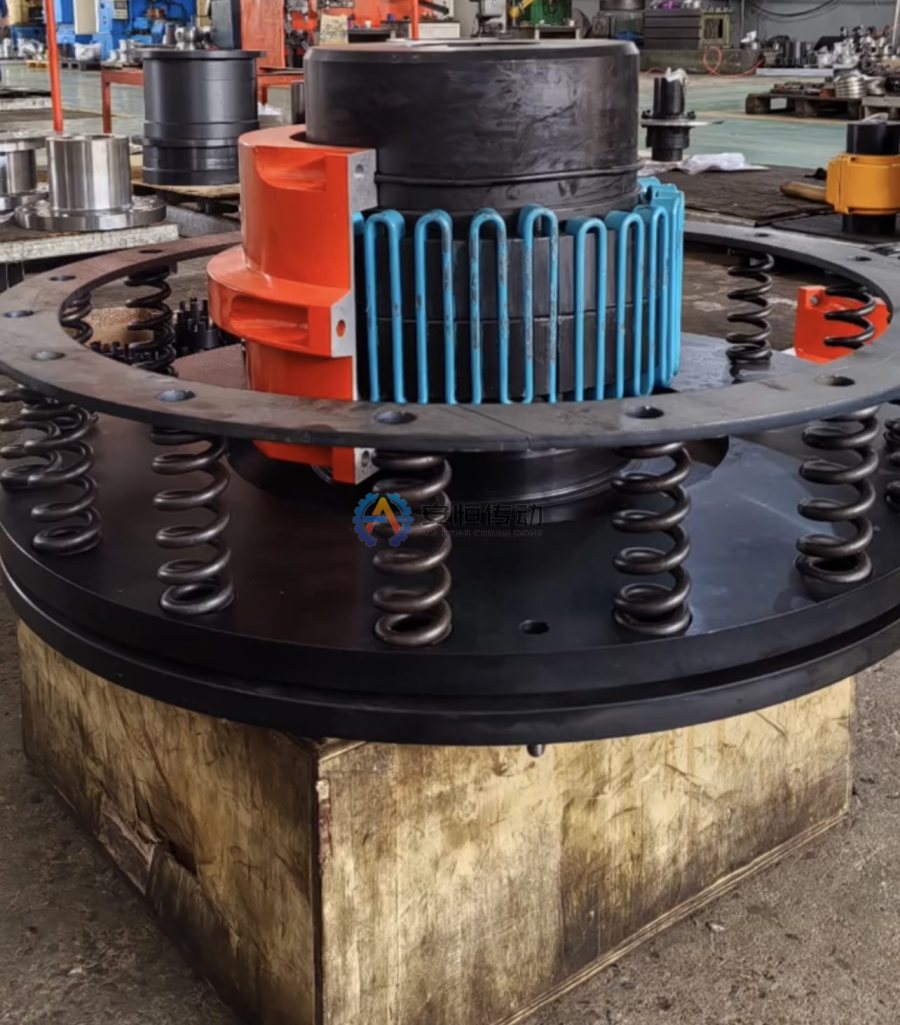
Keep alignment and tightening traceable: Heavy Duty Feeder
Confirm feeding capacity, bin pressure, maximum lump size, speed control, jam alarm logic and allowable downtime. Relate the event to release torque, manual reset, downstream chute, feeder speed, restart interlock and apron flight when they were involved. Check release torque, reset method, installation space, response requirement and whether manual reset is acceptable. Check the current shaft interface, movement and service route instead of treating a catalogue image as installed evidence.
Watch the first loaded run: Heavy Duty Feeder
Photograph the complete assembly before dismantling and keep the failed component. Compare bin pressure, apron feeder, lump size, blocked outlet, jam detector with the timestamp of the first symptom. If a bore, keyway, guard or seal is worn, preserve the measurement as engineering evidence. Do not set the release torque too high or protection will be lost. Do not set it too low or nuisance trips may occur.
Set an acceptance boundary: Heavy Duty Feeder
For Heavy Duty Feeder, a copied model is only a reference. Release the Safety Coupling after the event, interface, guard and service route are traceable; otherwise return it for site confirmation.
Leave useful data for the next service: Heavy Duty Feeder
Send the station, coupling position, normal and abnormal load description, speed, shaft measurements, movement, environment, quantity and drawings or photographs. In the field record, name what actually mattered, such as release torque, manual reset, downstream chute, feeder speed, restart interlock and apron flight. Use the relevant product data and recorded loads; do not invent a service factor when the event is unknown.
For Heavy Duty Feeder, after the site data are complete, compare the Safety Coupling product information with the coupling measurement guide and related engineering note.
Questions from the station record: Heavy Duty Feeder
Can a coupling compensate for poor alignment?
Only within the approved movement limits. It cannot replace shaft checks, machine alignment or correction of soft foot and foundation problems.
What belongs in the first loaded-run record?
Record speed, load state, temperature, vibration, noise, fastener condition and the state of grease or wear parts.
Need an engineering selection or replacement review?
Send power, speed, shaft diameters, keyway, installation dimensions, drawings or old-part photos. We will review the working condition before confirming the model and quotation.