
Technical Articles
Safety Coupling Working Principle: Release and Reset Options
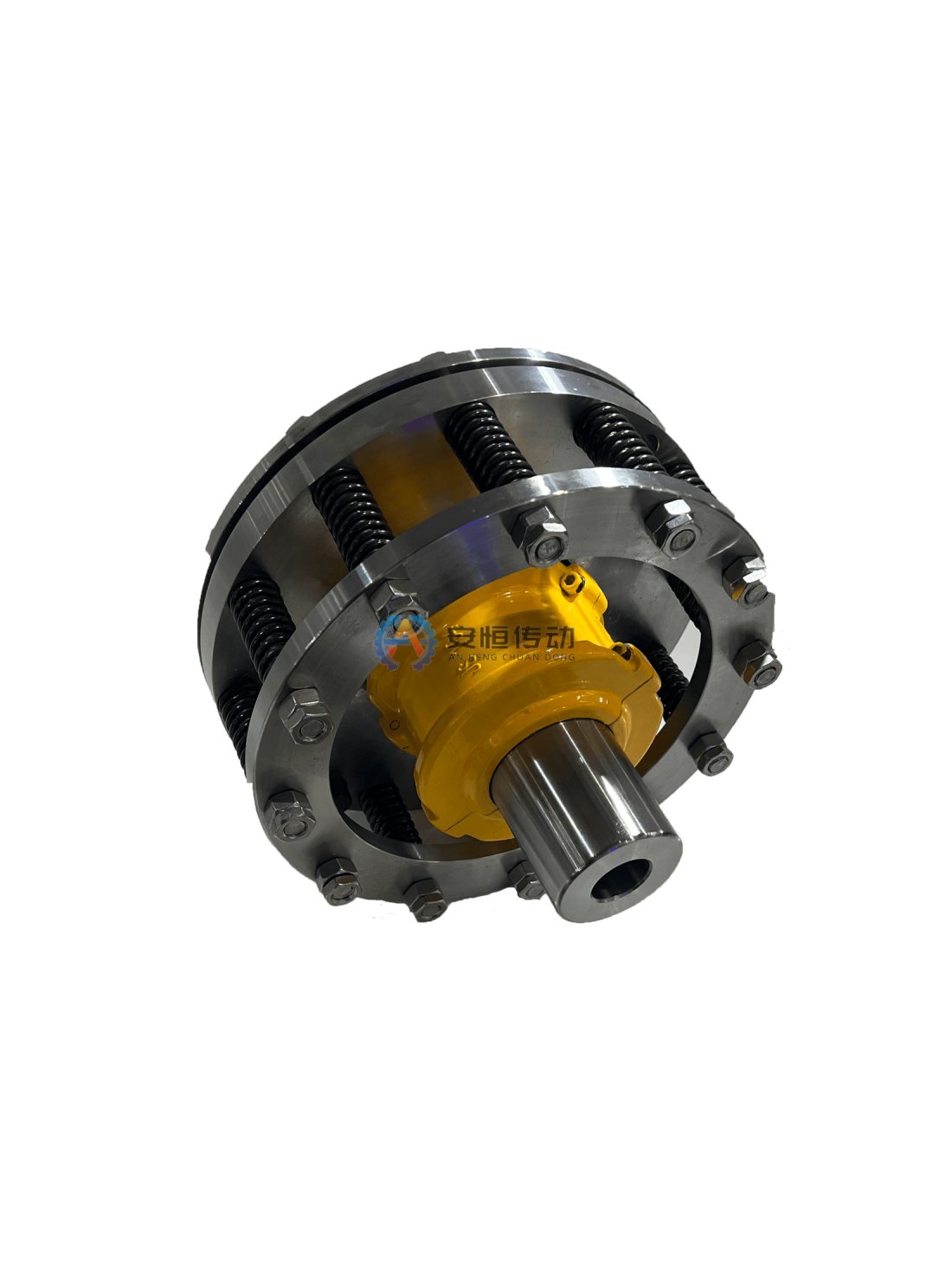
A safety coupling protects the downstream train by interrupting torque when a calibrated release condition is reached, then allowing a controlled reset. The important engineering question is not simply whether it releases, but whether the release method, reset position, response time, and re-engagement procedure fit the machine's risk profile.
Define the safety coupling release action first
Heavy feeders and conveyors can see a sudden blockage when material bridges over the inlet. A rolling mill auxiliary drive can see a jam during threading. In both cases, a coupling that keeps transmitting torque after the machine has stalled can turn a short event into shaft, gearbox, or keyway damage.
Open engineering data for Safety Coupling
Separate normal rated torque, start-up torque, transient peak torque, and the intended release threshold. Confirm whether the design uses a shear element, friction release, detent, or another mechanism. The reset method may be manual, indexed, or automatic; the choice changes guarding, access, and restart procedures.
For safety coupling, start with the Safety Coupling page. Use the custom replacement coupling page when the installed interface is no longer catalogue standard.
| Engineering input | Confirmation required |
|---|---|
| Load cycle | Continuous, start-up, reversing and blocked-load torque |
| Speed and movement | Normal speed, axial displacement and angular misalignment |
| Interface | Bore, keyway, hub length, DBSE and guard envelope |
| Environment | Temperature, dust, moisture, lubricant or elastomer exposure |
Look past the catalogue rating: Safety Coupling
Do not use a generic percentage as the release setting. Calculate the torque at the driven shaft, include the reducer ratio and efficiency, and check the worst credible jam. Leave enough margin for normal acceleration but keep the release point below the weakest protected component.
For safety coupling, the safety coupling versus torque limiter comparison is useful when the failure history suggests that the rating basis or transient load has been misunderstood.
Compare the work after installation: Safety Coupling
Align both shafts before setting the release position. Mark the reference position, verify the guard access, and document the reset check after the first unloaded rotation. Never allow an automatic reset to restart a machine without an interlock and a clear maintenance procedure.
Where does each construction work? (Safety Coupling)
A non-release event may be caused by a setting that is too high, a seized mechanism, contamination, or a peak shorter than the response time. A nuisance release may indicate an undersized coupling, excessive acceleration, or a process problem. Record the torque event and reset position before replacing the unit.
On a safety coupling installation, do not replace the worn part before checking the shaft, keyway, bearings, guard and machine alignment. Read the damage as evidence, then check the surrounding machine before choosing the part.
The evidence behind the choice: Safety Coupling
Send the machine function, motor and reducer data, normal and peak torque, speed, bore and keyway, release threshold, reset preference, guard arrangement, and required quantity. Include a sketch showing the protected side so the supplier can state exactly what is protected.
Two practical questions: Safety Coupling
What should the comparison record show?
Write the duty, evidence, limits and reason for the selected construction, with open data clearly marked.
Is a higher torque rating enough?
No. Compare movement, transient load, speed, fit, backlash, lubrication and maintenance consequence at the actual shaft position.
Send a reviewable engineering request: Safety Coupling
For the “Safety Coupling” review, send the equipment name, operating duty, available torque and speed data, shaft drawing or clear photos, quantity and delivery need through technical RFQ form. Keep measured values separate from estimates so the drawing review can see what is still open.
Need an engineering selection or replacement review?
Send power, speed, shaft diameters, keyway, installation dimensions, drawings or old-part photos. We will review the working condition before confirming the model and quotation.