
Technical Articles
Coupling Torque Rating vs Peak Torque: How to Size the Safety Margin
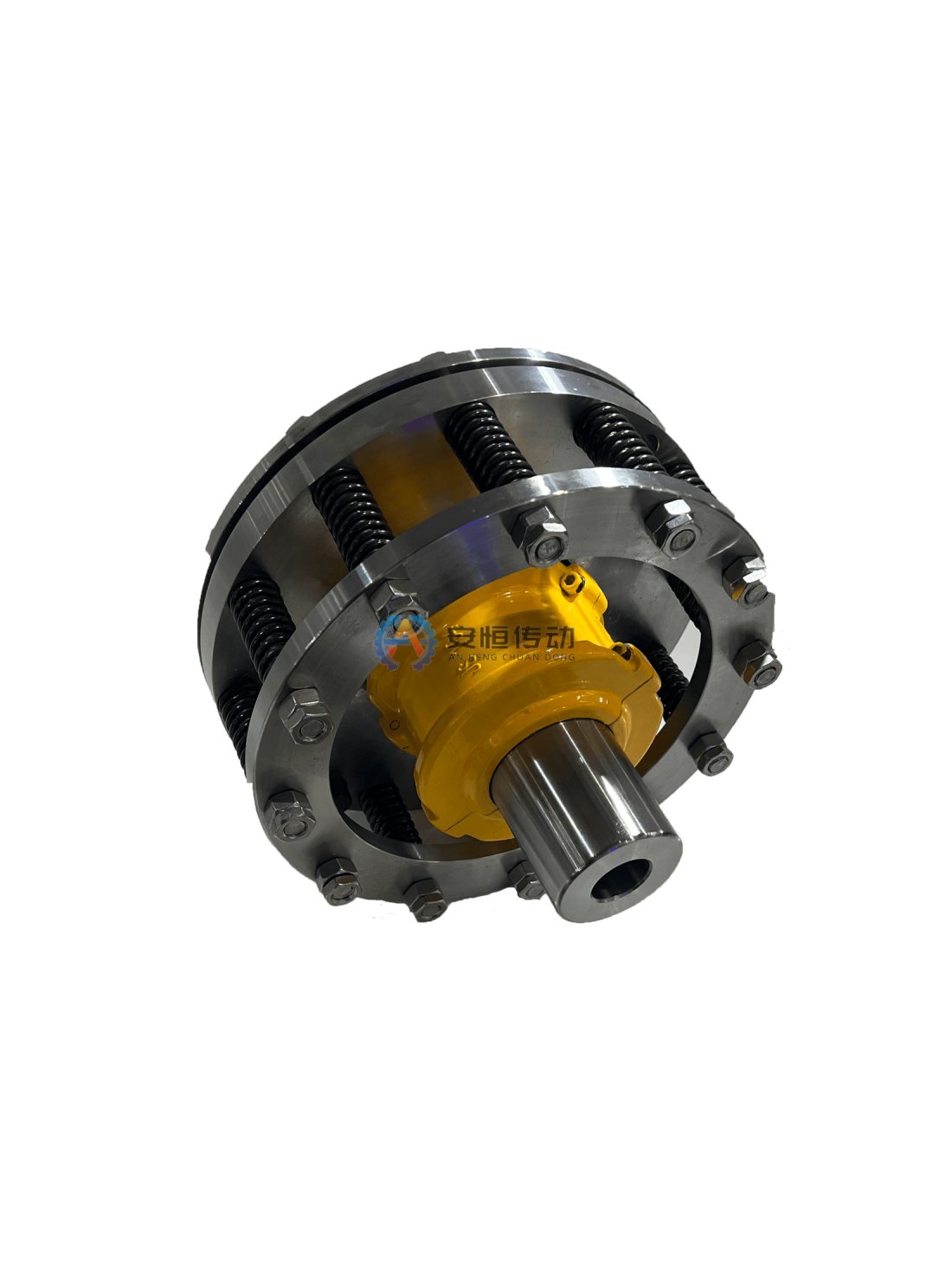
Rated torque describes the continuous operating requirement; peak torque describes a short event that the coupling must survive without slipping, yielding, or losing alignment. A safe selection compares both values with the manufacturer's rating basis and the machine's real duty cycle.
Separate rated torque from the peak event
A crusher start, reversing mill, conveyor blockage, or clutch engagement can create a peak several times higher than the running torque. The duration and repetition matter: one isolated event is different from a peak repeated every cycle.
Open engineering data for Coupling Torque Rating vs Peak Torque
Separate motor torque, reducer output torque, driven torque, and coupling torque. Confirm speed, inertia, acceleration time, reversals, blocked starts, brake torque, and torsional stiffness. Record whether the catalogue rating is continuous, alternating, or peak.
For rated and peak torque, start with the Safety Coupling page. Use the custom replacement coupling page when the installed interface is no longer catalogue standard.
| Engineering input | Confirmation required |
|---|---|
| Load cycle | Continuous, start-up, reversing and blocked-load torque |
| Speed and movement | Normal speed, axial displacement and angular misalignment |
| Interface | Bore, keyway, hub length, DBSE and guard envelope |
| Environment | Temperature, dust, moisture, lubricant or elastomer exposure |
Put normal and abnormal duty on record: Coupling Torque Rating vs Peak Torque
Calculate T = 9550P/n for a first motor-side estimate in metric units, then transfer torque through the reducer and include efficiency. Use the actual peak or a documented design factor; do not multiply the same factor twice. Check bore, keyway, speed, and misalignment after torque sizing.
For rated and peak torque, the heavy-duty coupling sizing guide is useful when the failure history suggests that the rating basis or transient load has been misunderstood.
What still needs field confirmation? (Coupling Torque Rating vs Peak Torque)
Install with the correct fit and alignment, then record torque-related events in the maintenance log. If a limiter is present, verify that its setting protects the coupling and gearbox without nuisance release during acceleration.
Check the limits that rule out a type: Coupling Torque Rating vs Peak Torque
Twisted elements, fretting, sheared pins, tooth pitting, and unexplained bolt movement can reveal a peak event. Compare the damage location with the torque path. If the peak is uncertain, preserve the failed parts and operating history for review.
On a rated and peak torque installation, do not replace the worn part before checking the shaft, keyway, bearings, guard and machine alignment. Read the damage as evidence, then check the surrounding machine before choosing the part.
Data the quotation team needs: Coupling Torque Rating vs Peak Torque
Provide power, speed, reducer ratio, efficiency, inertia, acceleration time, peak event, reversals, bore, keyway, DBSE, and quantity. Ask for a rating table that states the continuous and peak basis separately.
Two practical questions: Coupling Torque Rating vs Peak Torque
Which event should control the size decision?
Use the recorded event at the coupling position, including direction, duration, repetition and consequence. A catalogue rating is a starting point, not a substitute for the station record.
What must remain open before approval?
Keep torque, speed, bore, keyway, DBSE, movement and environment marked as site confirmation required until a drawing or measurement supports them.
Send a reviewable engineering request: Coupling Torque Rating vs Peak Torque
For the “Coupling Torque Rating vs Peak Torque” review, send the equipment name, operating duty, available torque and speed data, shaft drawing or clear photos, quantity and delivery need through technical RFQ form. Keep measured values separate from estimates so the drawing review can see what is still open.
Need an engineering selection or replacement review?
Send power, speed, shaft diameters, keyway, installation dimensions, drawings or old-part photos. We will review the working condition before confirming the model and quotation.