
Technical Articles
Uncoiler Safety Coupling: Release Torque and Reset
For Uncoiler, a coupling is not ‘installed’ when the bolts are tight. Fit, alignment, lubrication or wear-part condition, and the first loaded cycle all belong in the acceptance record.
Measure before the coupling goes in: Uncoiler
Main risks are strip-head jamming, sudden tension change, mandrel inertia shock and improper torque setting. For Uncoiler, record the installed coupling position and verify coil inertia, mandrel protection, release setting and reset procedure against the site record; name the component that must be protected. A safety coupling limits abnormal torque and protects the gearbox, shafts and driven machine when jamming or incorrect operation occurs.
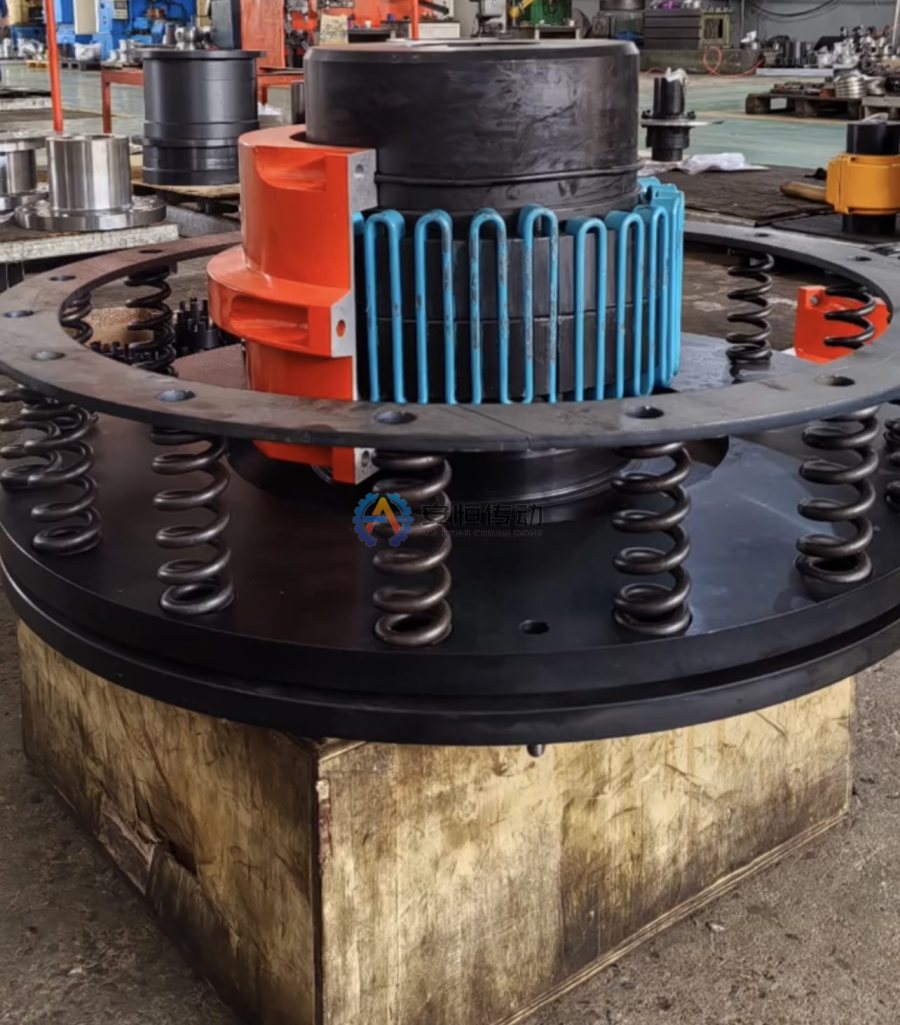
Do not let tightening hide an alignment error: Uncoiler
Confirm coil weight, coil diameter, strip width, uncoiling tension, brake arrangement, release torque and reset method. Relate the event to coil diameter, release setting, manual reset, mandrel expansion, line interlock and coil head when they were involved. Check release torque, reset method, installation space, response requirement and whether manual reset is acceptable. Check the current shaft interface, movement and service route instead of treating a catalogue image as installed evidence.
Trend temperature, vibration and wear: Uncoiler
Photograph the complete assembly before dismantling and keep the failed component. Compare uncoiler mandrel, coil weight, strip head, tension build-up, brake torque with the timestamp of the first symptom. If a bore, keyway, guard or seal is worn, preserve the measurement as engineering evidence. Do not set the release torque too high or protection will be lost. Do not set it too low or nuisance trips may occur.
Release only what the record supports: Uncoiler
Close the Uncoiler Safety Coupling gate only when the site record supports the load event and the shaft interface. A higher rating alone is not a correction.
Hand over the next inspection: Uncoiler
Send the station, coupling position, normal and abnormal load description, speed, shaft measurements, movement, environment, quantity and drawings or photographs. In the field record, name what actually mattered, such as coil diameter, release setting, manual reset, mandrel expansion, line interlock and coil head. Use the relevant product data and recorded loads; do not invent a service factor when the event is unknown.
For Uncoiler, after the site data are complete, compare the Safety Coupling product information with the coupling measurement guide and related engineering note.
FAQ for the engineering handover: Uncoiler
When is the installation ready for acceptance?
After fit, alignment, tightening, guarding and the first controlled load run are documented against the approved drawing.
What should the next service inherit?
Leave the measured fit, alignment method, operating observations and any change made during commissioning.
Need an engineering selection or replacement review?
Send power, speed, shaft diameters, keyway, installation dimensions, drawings or old-part photos. We will review the working condition before confirming the model and quotation.