
Technical Articles
Roughing Mill Drive: Universal Joint Coupling Comparison
The right comparison for Roughing Mill Drive begins with the job the coupling must do. Put movement, peak load, speed and the maintenance consequence beside the Universal Joint Coupling; do not let a model name make the decision.
Start with the load that matters: Roughing Mill Drive
Main risks are excessive working angle, poor cross-bearing lubrication, yoke fatigue, biting shock and insufficient guarding. At the Roughing Mill Main Drive station, record the installed coupling position and verify reversing passes, roll opening, cardan angle and thermal drift against the site record; name the component that must be protected. A universal joint coupling suits drives with larger shaft angles, roll position changes or non-coaxial transmission centers.
Look past the catalogue rating: Roughing Mill Drive
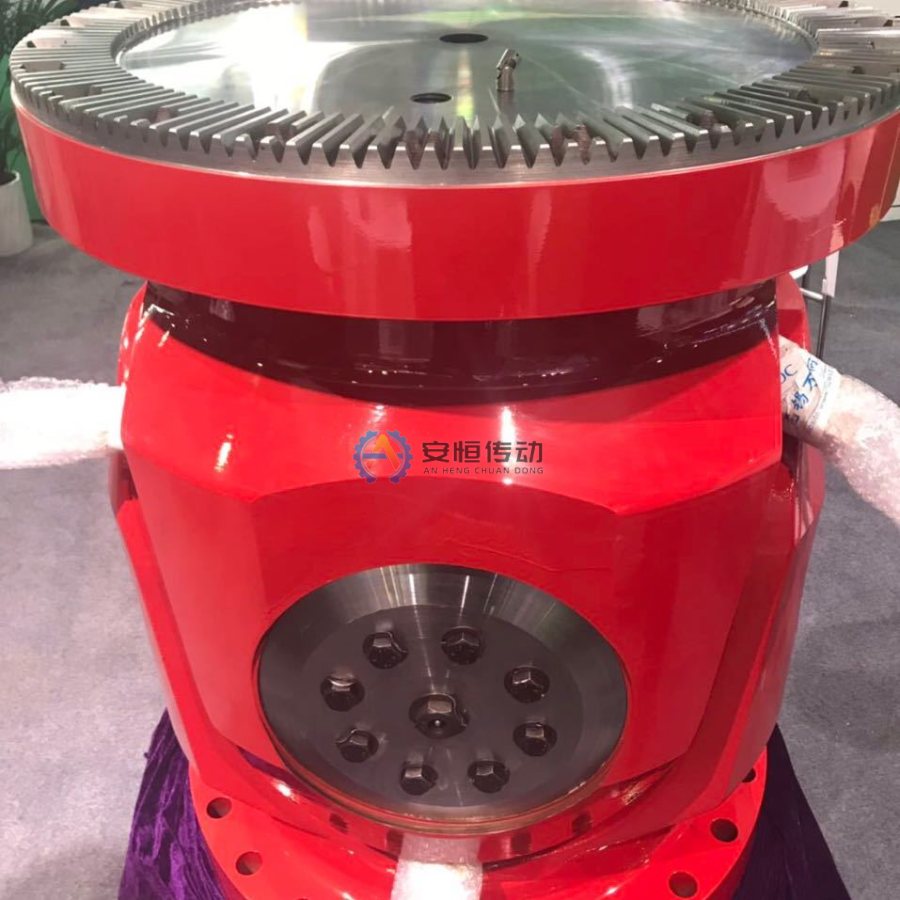
Confirm rolling torque, roll diameter, working angle, telescopic travel, speed, roll-change method and lubrication system. Relate the event to cross kit, thermal drift, high shock, mill table, pass schedule and edger when they were involved. Check working angle, telescopic movement, yoke strength, cross-bearing lubrication, balancing and guarding. Check the current shaft interface, movement and service route instead of treating a catalogue image as installed evidence.
Where does each construction work? (Roughing Mill Drive)
Photograph the complete assembly before dismantling and keep the failed component. Compare roughing stand, slab bite, reversing pass, cardan tube, roll opening with the timestamp of the first symptom. If a bore, keyway, guard or seal is worn, preserve the measurement as engineering evidence. Higher working angle increases additional load and vibration risk. Do not check rated torque alone. The roughing stand sees slab bite, edger action and reversing passes in a changing pass schedule. Keep the bite timestamp with roll opening, cardan-tube condition, yoke ear inspection and descaling-spray status. A loop lifter or hot slab event can create a short torque pulse that should not be averaged into finishing-stand data.
Compare the work after installation: Roughing Mill Drive
The Roughing Mill Drive boundary is practical: no drawing, no measured interface, no approval. Keep roughing stand, slab bite, reversing pass with the dated record before changing the coupling.
The evidence behind the choice: Roughing Mill Drive
Send the station, coupling position, normal and abnormal load description, speed, shaft measurements, movement, environment, quantity and drawings or photographs. In the field record, name what actually mattered, such as cross kit, thermal drift, high shock, mill table, pass schedule and edger. Use the relevant product data and recorded loads; do not invent a service factor when the event is unknown.
For Roughing Mill Main Drive, after the site data are complete, compare the Universal Joint Coupling product information with the coupling measurement guide and related engineering note.
Two checks before release: Roughing Mill Drive
What can a coupling construction not solve?
It cannot correct a bad foundation, poor alignment, an incompatible interface or a process event outside the stated duty.
When should like-for-like replacement stop?
Stop when the old part no longer matches the measured interface, movement, speed or protection requirement.
Need an engineering selection or replacement review?
Send power, speed, shaft diameters, keyway, installation dimensions, drawings or old-part photos. We will review the working condition before confirming the model and quotation.