
Technical Articles
Rolling Mill Pinch Roll Coupling Selection: Torque and Axial Movement
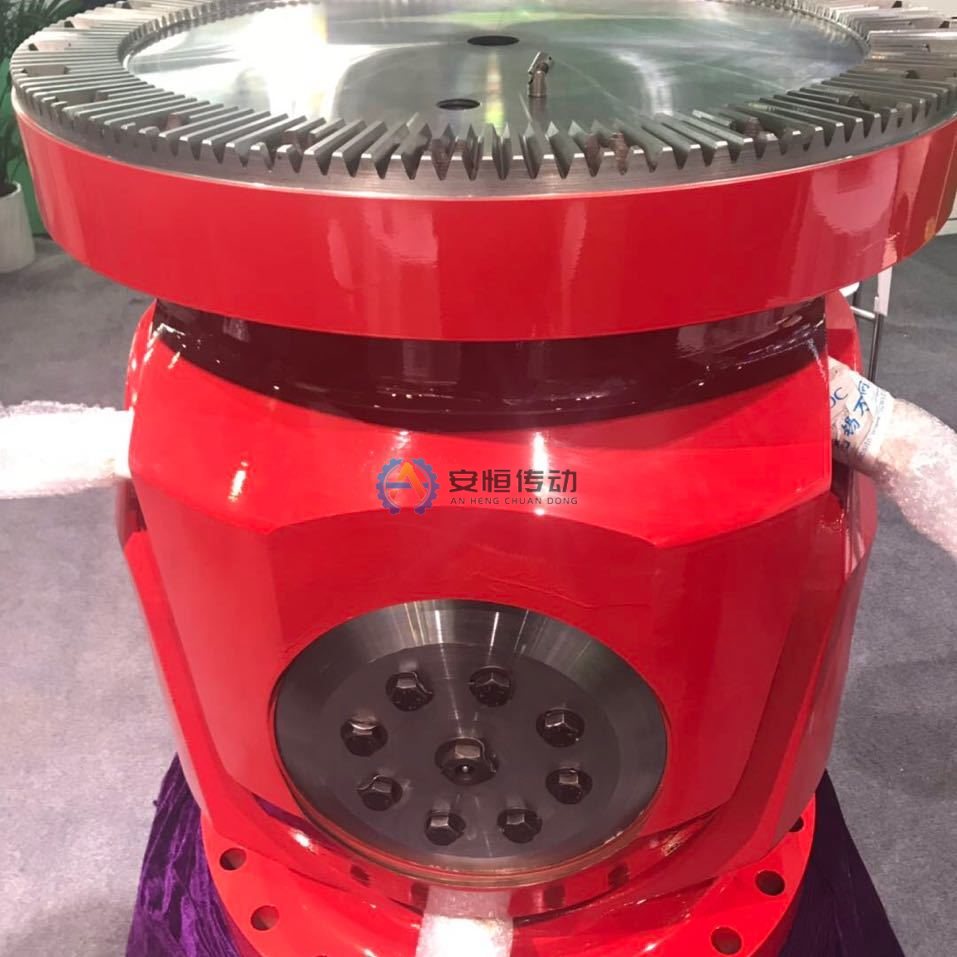
A pinch-roll coupling in a rolling mill must transmit repeated torque while tolerating the roll gap movement, reversing duty, and installation forces created by the mill stand. The selection should start with the roll torque cycle and axial movement, then verify bore, speed, balance, and maintenance access.
Start pinch-roll selection with torque and roll movement
Pinch rolls grip strip or plate during threading, tension control, and tail-out. The load is not steady: bite-in, slip, cobble risk, and roll-gap changes can create short peaks. A coupling that is adequate for average rolling torque can still fail at the entry event.
Open engineering data for Rolling Mill Pinch Roll Coupling
Collect motor power, gearbox ratio, roll diameter, strip range, maximum rolling force, speed, reversing frequency, shaft diameter, keyway, DBSE, roll movement, and guard envelope. Confirm whether the coupling carries radial load or only torque, and whether a cardan shaft is required.
For rolling mill pinch rolls, start with the Universal Joint Coupling page. Use the custom replacement coupling page when the installed interface is no longer catalogue standard.
| Engineering input | Confirmation required |
|---|---|
| Load cycle | Continuous, start-up, reversing and blocked-load torque |
| Speed and movement | Normal speed, axial displacement and angular misalignment |
| Interface | Bore, keyway, hub length, DBSE and guard envelope |
| Environment | Temperature, dust, moisture, lubricant or elastomer exposure |
Use the event, not a copied service factor: Rolling Mill Pinch Roll Coupling
Calculate torque at the roll shaft, include acceleration and bite-in peaks, and check the allowable angular and axial movement. Verify the balance grade at the operating speed and the bearing reactions from the coupling weight. Use the mill builder's shaft drawing for the final interface.
For rolling mill pinch rolls, the rolling mill gear coupling maintenance guide is useful when the failure history suggests that the rating basis or transient load has been misunderstood.
Keep the evidence with the selection: Rolling Mill Pinch Roll Coupling
Set the roll-side and drive-side alignment at the specified mill position, not only on the maintenance floor. Check axial float through the full roll-gap range. Protect splines, teeth, and seals from scale and cooling water; record the first pass inspection.
Set the boundary before approval: Rolling Mill Pinch Roll Coupling
Strip marks, one-sided tooth wear, hot bearings, loose flange bolts, and repeated seal damage can point to roll parallelism, axial constraint, or torque shock. Do not attribute every failure to the coupling before checking the stand and gearbox.
On a rolling mill pinch rolls installation, do not replace the worn part before checking the shaft, keyway, bearings, guard and machine alignment. Read the damage as evidence, then check the surrounding machine before choosing the part.
Hand over a usable RFQ: Rolling Mill Pinch Roll Coupling
Provide the mill stand number, roll data, torque cycle, speed, movement, shaft and flange drawings, photos, guard dimensions, quantity, and maintenance history. Request a drawing review that identifies the coupling's torque path and movement limits.
Two practical questions: Rolling Mill Pinch Roll Coupling
Which event should control the size decision?
Use the recorded event at the coupling position, including direction, duration, repetition and consequence. A catalogue rating is a starting point, not a substitute for the station record.
What must remain open before approval?
Keep torque, speed, bore, keyway, DBSE, movement and environment marked as site confirmation required until a drawing or measurement supports them.
Send a reviewable engineering request: Rolling Mill Pinch Roll Coupling
For the “Rolling Mill Pinch Roll Coupling” review, send the equipment name, operating duty, available torque and speed data, shaft drawing or clear photos, quantity and delivery need through technical RFQ form. Keep measured values separate from estimates so the drawing review can see what is still open.
Need an engineering selection or replacement review?
Send power, speed, shaft diameters, keyway, installation dimensions, drawings or old-part photos. We will review the working condition before confirming the model and quotation.