Technical Articles
GICL Drum Gear Coupling: Selection, Dimensions and Applications
Start with the station load path: GICL Drum Gear Coupling
This guide covers “GICL Drum Gear Coupling: Selection, Dimensions and Applications”. Start with the duty at the installed shaft; the catalogue family comes after the event is clear. Confirm transmitted and peak torque, starting method, shock load, duty cycle and available installation space before comparing models. Keep torque, speed, bore, keyway, duty and RFQ evidence in the same record.
For the GICL drum gear coupling, a reliable selection also depends on bore fit, keyway standard, shaft-end distance, lubrication or wear-part maintenance, balance grade and the condition of the connected reducer, motor and driven equipment.
Use the event, not a copied service factor: GICL Drum Gear Coupling
For the GICL drum gear coupling, confirm rated torque, peak torque, RPM, shaft diameters d1/d2, bore type, keyway, DBSE, allowable outside diameter, axial movement, angular or radial misalignment, ambient temperature and start-stop frequency before choosing a model.
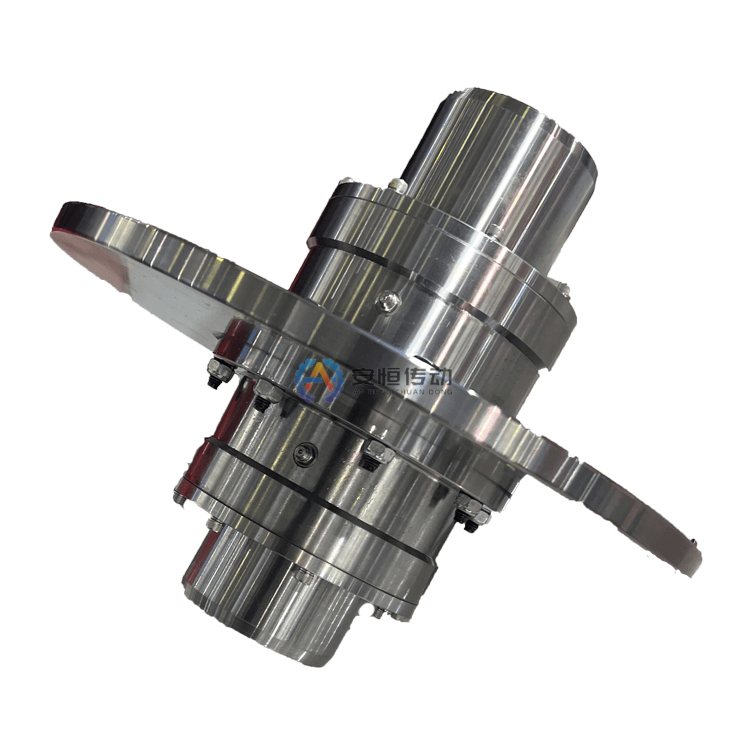
For a GICL replacement, photograph tooth contact, seal, sleeve position and grease condition alongside the measured bores and DBSE.
Set the boundary before approval: GICL Drum Gear Coupling
A GICL suits high-torque drives when crowned teeth, sleeve travel, lubrication access and the shaft envelope are all confirmed.
Keep the evidence with the selection: GICL Drum Gear Coupling
For the GICL drum gear coupling, do not upgrade or downsize the coupling only by outside diameter. Two couplings with similar appearance can have different torque capacity, bore length, material, heat treatment and balance limits.
Hand over a usable RFQ: GICL Drum Gear Coupling
For the GICL drum gear coupling, send equipment name, power, speed, torque requirement, shaft diameters, keyway standard, quantity, drawing or old coupling photos, working environment and urgency. The drawing review can then separate a catalogue model or a safer custom replacement route.
FAQ | GICL Drum Gear
Can the coupling be selected only by motor power?
No. Motor power does not establish GICL tooth contact, bore capacity, DBSE, lubrication or sleeve travel.
What information should be sent for a fast quotation?
For the GICL drum gear coupling, send equipment name, power, RPM, shaft diameters d1/d2, keyway standard, DBSE, operating environment, drawing or old part photos. This lets the review confirm a catalogue model or a custom replacement.
GICL-specific checks before approval
For a GICL drum gear coupling, confirm the crowned-tooth contact, sleeve travel, lubrication access and the available hub length against the actual shaft arrangement. The model name does not establish bore, DBSE or allowable movement.
During inspection, look for contact concentrated at one tooth end, grease contaminated by mill scale or a sleeve that has reached its travel limit. These findings should be recorded with the shaft alignment and load event before a size change is proposed.
For a GICL drum gear coupling replacement, send the measured bores, keyway, DBSE, speed, torque event and clear photos. Compare the Drum Gear Coupling data with the relevant application notes before requesting a replacement drawing.
Need an engineering selection or replacement review?
Send power, speed, shaft diameters, keyway, installation dimensions, drawings or old-part photos. We will review the working condition before confirming the model and quotation.