
Technical Articles
Bucket Elevator: Drum Gear Coupling Selection Guide
For Bucket Elevator, the useful starting point is the event at the coupling position, not the catalogue family. Record how the machine starts, stops and loads the shaft; keep the Drum Gear Coupling provisional until the interface and movement are measured.
What happens at the coupling position? (Bucket Elevator)
Main risks are full-load start, bucket jamming, axial movement, limited installation space and small service access. For Bucket Elevator, record the installed coupling position and verify vertical lift load, loaded restart, backstop and head-shaft access against the site record; name the component that must be protected. A drum gear coupling offers high torque capacity and better tooth contact, making it suitable for heavy-duty steel mill drives with unavoidable alignment deviation.
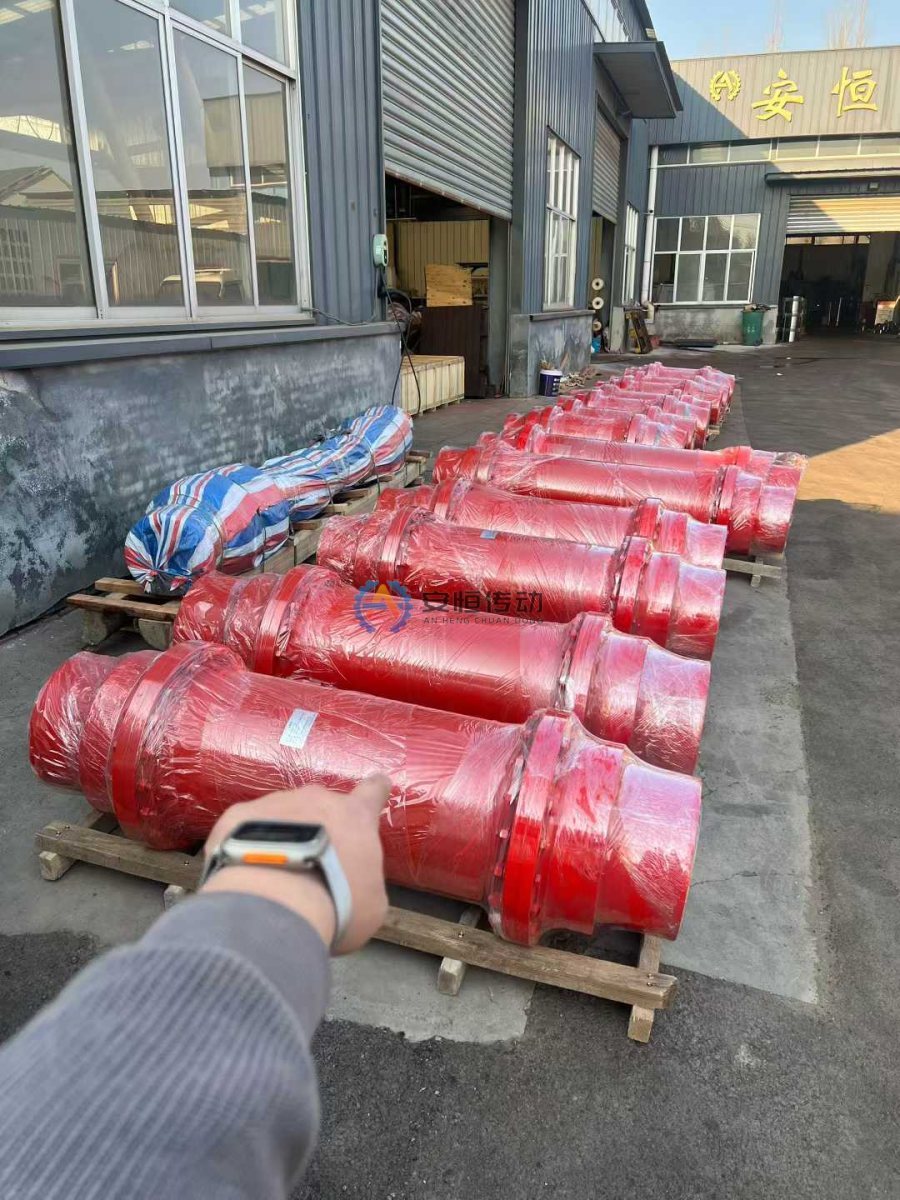
Record the duty before choosing a size: Bucket Elevator
Confirm lifting height, bucket width, bucket load, shaft center height, backstop and anti-reverse arrangement. Relate the event to carryback, vertical lift, loaded restart, head pulley, inspection hatch and bucket spacing when they were involved. Check tooth hardness, face width, crowned tooth profile, sealing, lubrication and axial movement allowance. Check the current shaft interface, movement and service route instead of treating a catalogue image as installed evidence.
Where does this coupling stop being suitable? (Bucket Elevator)
Photograph the complete assembly before dismantling and keep the failed component. Compare head shaft, boot section, bucket chain, return leg, backstop with the timestamp of the first symptom. If a bore, keyway, guard or seal is worn, preserve the measurement as engineering evidence. A drum gear coupling is not an overload protection device. If jamming or abnormal shock is possible, evaluate torque protection as well.
Close the decision with site evidence: Bucket Elevator
A catalogue rating cannot close the Bucket Elevator decision. Keep head shaft, boot section, bucket chain tied to the site record, and mark every unmeasured interface or load value as site confirmation required.
RFQ notes for this station: Bucket Elevator
Send the station, coupling position, normal and abnormal load description, speed, shaft measurements, movement, environment, quantity and drawings or photographs. In the field record, name what actually mattered, such as carryback, vertical lift, loaded restart, head pulley, inspection hatch and bucket spacing. Use the relevant product data and recorded loads; do not invent a service factor when the event is unknown.
For Bucket Elevator, after the site data are complete, compare the Drum Gear Coupling product information with the coupling measurement guide and related engineering note.
Questions from the station record: Bucket Elevator
Which event should control the size decision?
Use the recorded event at the coupling position, including direction, duration, repetition and consequence. A catalogue rating is a starting point, not a substitute for the station record.
What must remain open before approval?
Keep torque, speed, bore, keyway, DBSE, movement and environment marked as site confirmation required until a drawing or measurement supports them.
Need an engineering selection or replacement review?
Send power, speed, shaft diameters, keyway, installation dimensions, drawings or old-part photos. We will review the working condition before confirming the model and quotation.