Technical Articles
Pinch Roll: Drum Gear Coupling Comparison
A Drum Gear Coupling may be a sensible candidate for Pinch Roll, but the comparison is not finished until its limits are written down and checked against the station record.
Define the shaft-position duty: Pinch Roll
Main risks are biting shock, roll gap offset, tooth wear and grease contamination. For Pinch Roll, record the installed coupling position and verify strip bite, clamping force, tail-out timing and grease contamination against the site record; name the component that must be protected. A drum gear coupling offers high torque capacity and better tooth contact, making it suitable for heavy-duty steel mill drives with unavoidable alignment deviation.
Put backlash, movement and peak load side by side: Pinch Roll
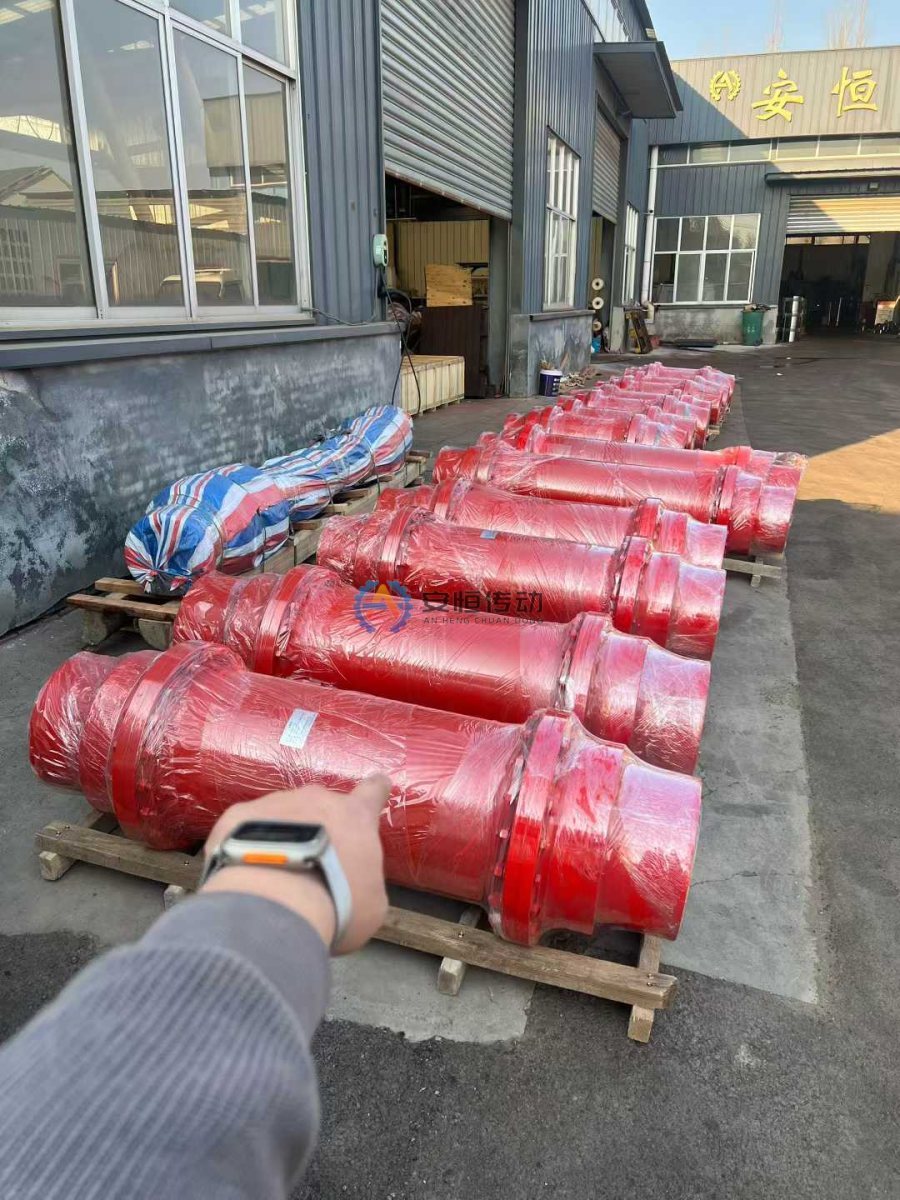
Confirm pinch force, roll diameter, gap adjustment range, speed, axial movement and braking method. Relate the event to speed matching, gear tooth contact, grease contamination, roll change, release timing and bite-in when they were involved. Check tooth hardness, face width, crowned tooth profile, sealing, lubrication and axial movement allowance. Check the current shaft interface, movement and service route instead of treating a catalogue image as installed evidence.
Name what the candidate cannot solve: Pinch Roll
Photograph the complete assembly before dismantling and keep the failed component. Compare pinch roll, strip bite, roll gap, clamping force, tail-out with the timestamp of the first symptom. If a bore, keyway, guard or seal is worn, preserve the measurement as engineering evidence. A drum gear coupling is not an overload protection device. If jamming or abnormal shock is possible, evaluate torque protection as well.
Read the maintenance consequence: Pinch Roll
Do not use the Drum Gear Coupling to hide a process fault at Pinch Roll. Check pinch roll, strip bite, roll gap, then record which limit is verified and which one remains unknown.
A comparison the RFQ can use: Pinch Roll
Send the station, coupling position, normal and abnormal load description, speed, shaft measurements, movement, environment, quantity and drawings or photographs. In the field record, name what actually mattered, such as speed matching, gear tooth contact, grease contamination, roll change, release timing and bite-in. Use the relevant product data and recorded loads; do not invent a service factor when the event is unknown.
For Pinch Roll, after the site data are complete, compare the Drum Gear Coupling product information with the coupling measurement guide and related engineering note.
FAQ for the engineering handover: Pinch Roll
When should like-for-like replacement stop?
Stop when the old part no longer matches the measured interface, movement, speed or protection requirement.
What should the comparison record show?
Write the duty, evidence, limits and reason for the selected construction, with open data clearly marked.
Need an engineering selection or replacement review?
Send power, speed, shaft diameters, keyway, installation dimensions, drawings or old-part photos. We will review the working condition before confirming the model and quotation.