
Technical Articles
Gear Coupling Types: Standard and Crowned-Tooth Designs
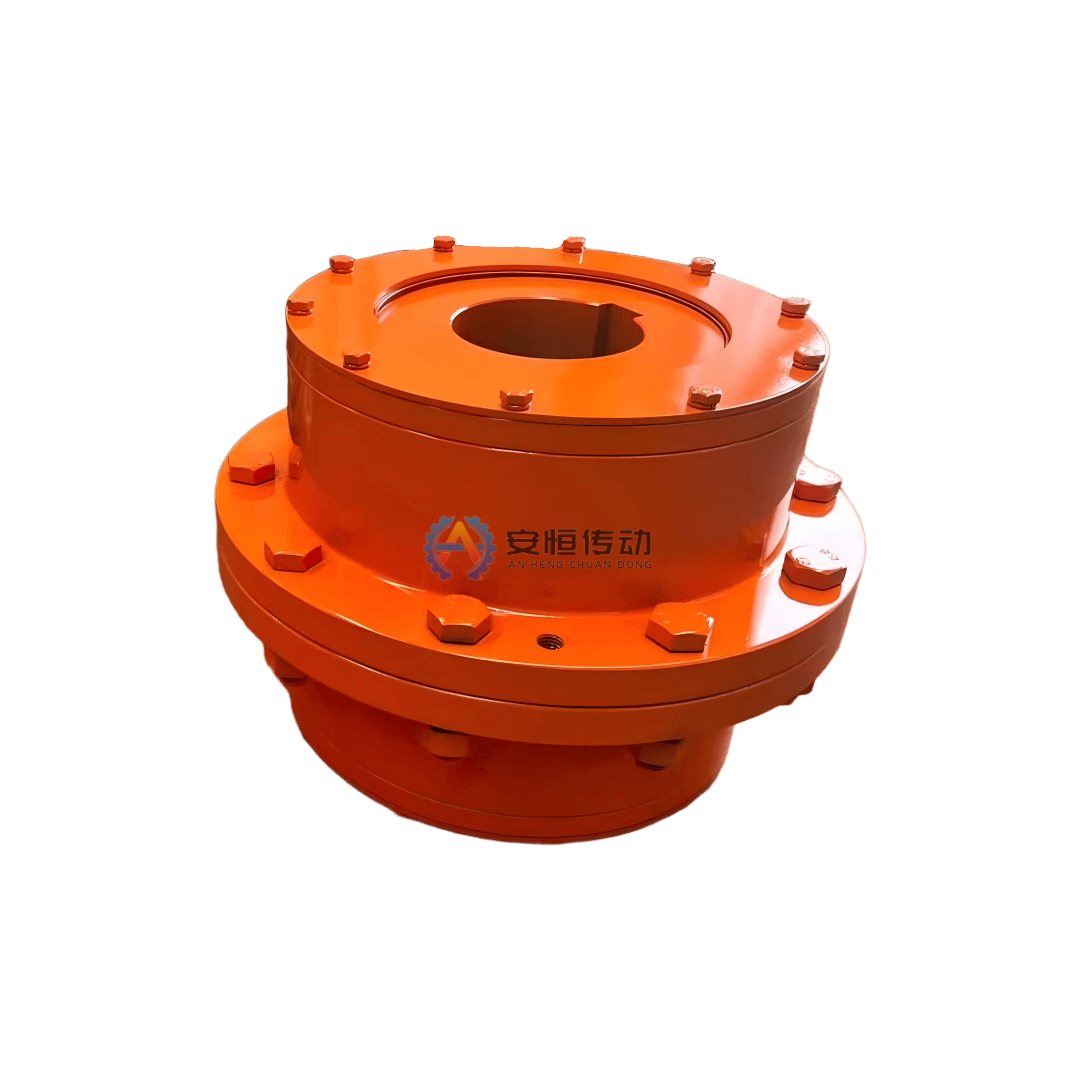
Gear couplings transmit high torque through external and internal teeth, while crowned-tooth or drum gear designs use tooth curvature to accommodate defined angular movement. The correct choice depends on torque density, axial movement, lubrication, tooth geometry, and the actual shaft arrangement rather than on the word gear alone.
Compare straight and crowned gear-tooth designs
A straight-tooth design is often selected where axial position is stable and the installation envelope is compact. A drum gear coupling is useful where angular movement and barrel-style tooth contact must be managed in a heavy rolling or lifting drive. The two forms should not be described as interchangeable.
Open engineering data for Gear Coupling Types
Confirm torque, speed, bore, keyway, DBSE, axial displacement, angular misalignment, radial loads, brake torque, and lubrication access. Check whether the coupling must float axially or locate the shaft. The hub length and flange diameter can be more restrictive than the nominal torque rating.
For gear coupling types, start with the Gear Coupling page. Use the custom replacement coupling page when the installed interface is no longer catalogue standard.
| Engineering input | Confirmation required |
|---|---|
| Load cycle | Continuous, start-up, reversing and blocked-load torque |
| Speed and movement | Normal speed, axial displacement and angular misalignment |
| Interface | Bore, keyway, hub length, DBSE and guard envelope |
| Environment | Temperature, dust, moisture, lubricant or elastomer exposure |
Put backlash, movement and peak load side by side: Gear Coupling Types
Size the coupling from the larger of the continuous torque demand and the calculated peak with the applicable service factor. Then verify tooth pressure, bore capacity, allowable speed, and balance. Do not infer a permissible misalignment value from a competitor catalogue; use the selected drawing.
For gear coupling types, the heavy-duty gear coupling selection guide is useful when the failure history suggests that the rating basis or transient load has been misunderstood.
Read the maintenance consequence: Gear Coupling Types
Set the axial position before filling lubricant. Measure the end float at cold and operating conditions when thermal growth is significant. Use the specified grease, seal arrangement, bolt grade, and tightening sequence, and keep the guard clear of the rotating flange.
Name what the candidate cannot solve: Gear Coupling Types
Polished tooth flanks can indicate good contact, while one-sided polishing, pitting, red fretting debris, or squeezed-out grease can indicate misalignment or overload. A cracked seal may admit abrasive dust. Replace the root cause as well as the worn teeth.
On a gear coupling types installation, do not replace the worn part before checking the shaft, keyway, bearings, guard and machine alignment. Read the damage as evidence, then check the surrounding machine before choosing the part.
A comparison the RFQ can use: Gear Coupling Types
For a quotation, provide the shaft drawing, tooth or flange dimensions if known, speed, torque cycle, lubrication practice, environmental dust, brake data, DBSE, and photos of the existing coupling. Ask the supplier to identify the exact gear type and the assumptions used.
Two practical questions: Gear Coupling Types
When should like-for-like replacement stop?
Stop when the old part no longer matches the measured interface, movement, speed or protection requirement.
What should the comparison record show?
Write the duty, evidence, limits and reason for the selected construction, with open data clearly marked.
Send a reviewable engineering request: Gear Coupling Types
For the “Gear Coupling Types” review, send the equipment name, operating duty, available torque and speed data, shaft drawing or clear photos, quantity and delivery need through technical RFQ form. Keep measured values separate from estimates so the drawing review can see what is still open.
Need an engineering selection or replacement review?
Send power, speed, shaft diameters, keyway, installation dimensions, drawings or old-part photos. We will review the working condition before confirming the model and quotation.