
Technical Articles
Gear Coupling Tooth Wear Inspection: Lubrication, Misalignment, and Load Clues
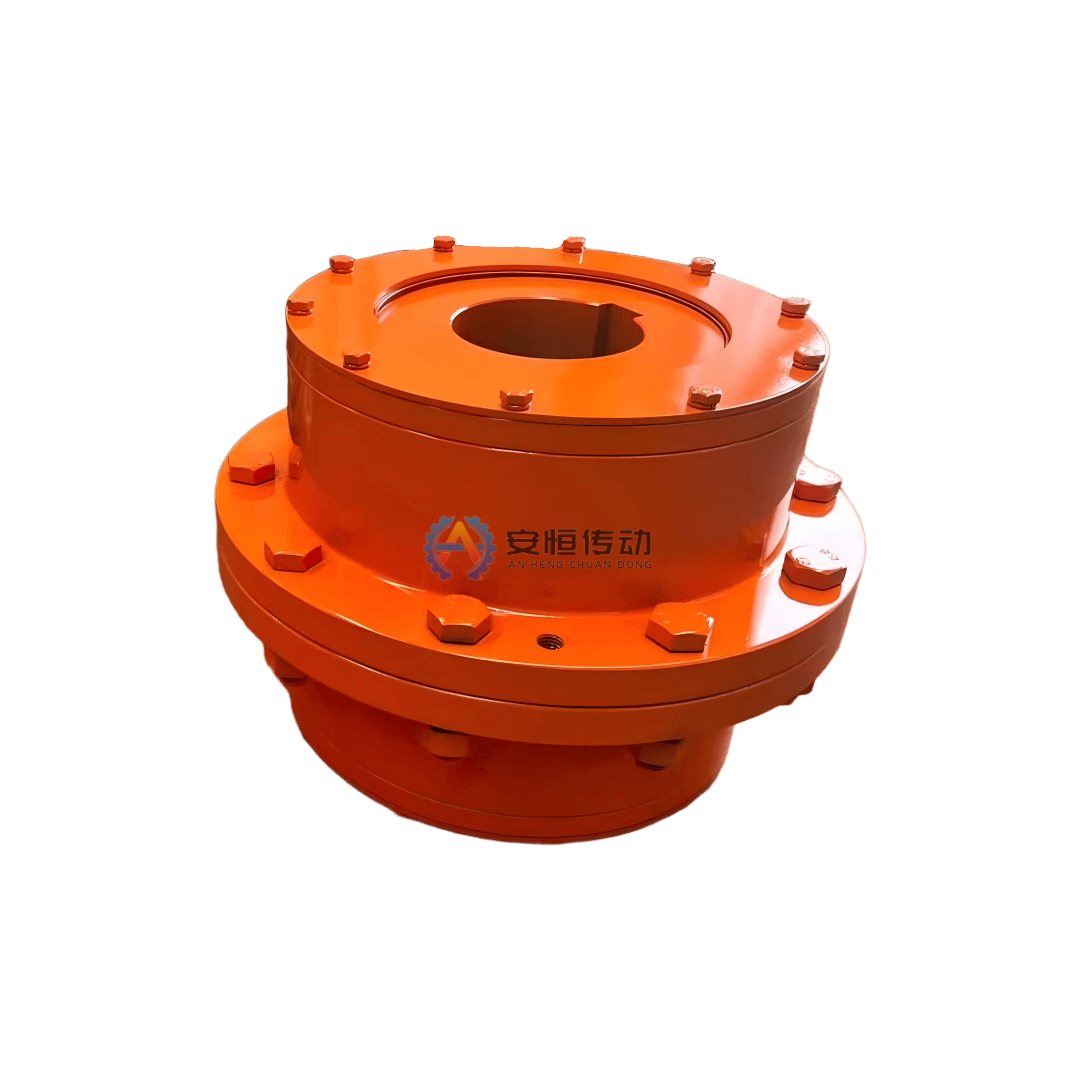
Gear-tooth wear should be read as evidence of contact, lubrication, alignment, and load. Tooth replacement without correcting the cause can repeat the failure. Inspection should compare both hubs, the sleeve, seal, grease condition, and the axial position.
Read gear-tooth wear with lubricant and load history
A rolling mill or crane drive may produce high torque with low speed, while a pump or fan may produce a higher speed with smaller torque. The wear pattern that matters is therefore the location and shape of damage, not only the amount of metal lost.
Open engineering data for Gear Coupling Tooth Wear Inspection
Record tooth profile, contact band, pitting, scoring, fretting debris, grease colour and quantity, seal condition, axial float, angular readings, speed, torque, and operating temperature. Photograph the sleeve orientation before cleaning.
For gear coupling tooth wear, start with the Gear Coupling page. Use the custom replacement coupling page when the installed interface is no longer catalogue standard.
| Engineering input | Confirmation required |
|---|---|
| Load cycle | Continuous, start-up, reversing and blocked-load torque |
| Speed and movement | Normal speed, axial displacement and angular misalignment |
| Interface | Bore, keyway, hub length, DBSE and guard envelope |
| Environment | Temperature, dust, moisture, lubricant or elastomer exposure |
Rule out process trouble before the coupling: Gear Coupling Tooth Wear Inspection
Check the tooth contact pressure and the coupling's allowable misalignment using the approved drawing. Verify that the sleeve can float as intended and that the grease is compatible with the seal. Do not fill a sealed design with an incompatible lubricant.
For gear coupling tooth wear, the gear coupling failure troubleshooting guide is useful when the failure history suggests that the rating basis or transient load has been misunderstood.
Repeat the checks after repair: Gear Coupling Tooth Wear Inspection
Clean without gouging the teeth, use the specified grease quantity, replace damaged seals, and set the axial position. Rotate slowly to confirm free movement before installing the guard. Record inspection date, grease batch, and measured movement.
Read the removed part with its interfaces: Gear Coupling Tooth Wear Inspection
One-sided polish suggests angular error; root pitting can suggest overload or poor lubrication; red debris can suggest fretting; squeezed grease can suggest overfill or seal failure. Compare both sides before deciding whether the hub or sleeve is reusable.
On a gear coupling tooth wear installation, do not replace the worn part before checking the shaft, keyway, bearings, guard and machine alignment. Read the damage as evidence, then check the surrounding machine before choosing the part.
Close the diagnosis with a traceable record: Gear Coupling Tooth Wear Inspection
Send close-up tooth photos, grease condition, speed, torque cycle, bore, keyway, DBSE, alignment readings, environment, and quantity. Request a replacement review that lists which parts can be reused and which must be matched.
Two practical questions: Gear Coupling Tooth Wear Inspection
Can a coupling symptom prove the root cause?
No. Check the machine event, shaft, key, bearings, foundation, guard and alignment before assigning the cause to the coupling.
What should be repeated after repair?
Repeat the measurement or operating check that first exposed the problem, under a comparable load, and keep the result with the failure record.
Send a reviewable engineering request: Gear Coupling Tooth Wear Inspection
For the “Gear Coupling Tooth Wear Inspection” review, send the equipment name, operating duty, available torque and speed data, shaft drawing or clear photos, quantity and delivery need through technical RFQ form. Keep measured values separate from estimates so the drawing review can see what is still open.
Need an engineering selection or replacement review?
Send power, speed, shaft diameters, keyway, installation dimensions, drawings or old-part photos. We will review the working condition before confirming the model and quotation.