
Technical Articles
Coupling Fretting and Loose-Key Diagnosis: A Practical Failure Guide
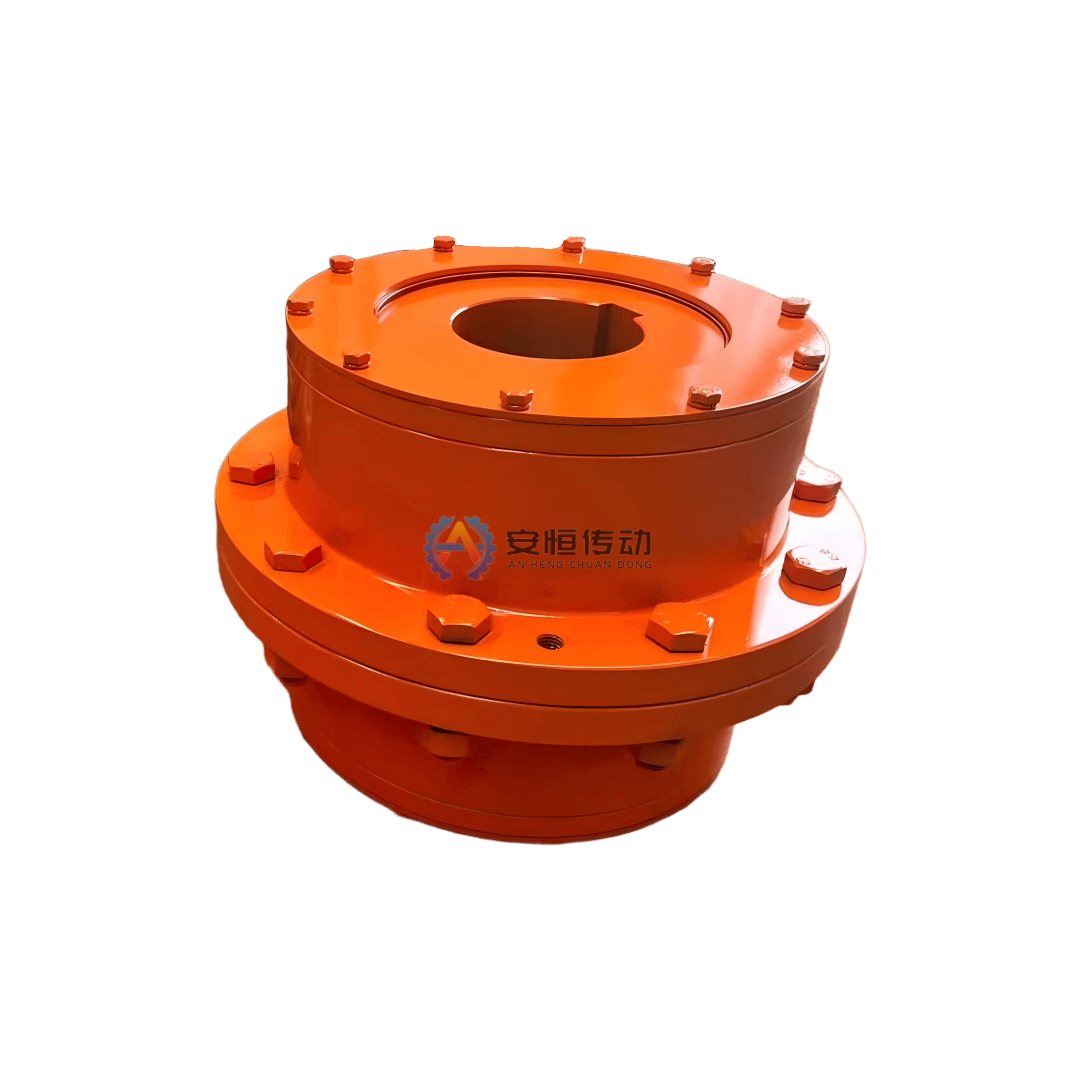
Fretting and a loose key indicate relative movement at the shaft-hub interface, but they do not by themselves prove that the coupling was undersized. The diagnosis should separate torque overload, poor fit, shaft runout, soft foot, and repeated reversing from one another.
Trace fretting marks back to the loose-key event
Fretting may appear as red or dark powder, polished bands, small pits, or a key that rocks in the keyway. A reversing drive can create movement at a lower average torque than a steady drive. A loose hub can then damage a shaft that was originally within tolerance.
Open engineering data for Coupling Fretting and Loose-Key Diagnosis
Measure shaft diameter, roundness, bore, key width and height, keyway depth, hub length, contact marks, axial position, torque cycle, speed, and alignment. Check whether the key carries the intended torque or whether the fit should carry part of it.
For fretting and loose-key diagnosis, start with the Gear Coupling page. Use the custom replacement coupling page when the installed interface is no longer catalogue standard.
| Engineering input | Confirmation required |
|---|---|
| Load cycle | Continuous, start-up, reversing and blocked-load torque |
| Speed and movement | Normal speed, axial displacement and angular misalignment |
| Interface | Bore, keyway, hub length, DBSE and guard envelope |
| Environment | Temperature, dust, moisture, lubricant or elastomer exposure |
Rule out process trouble before the coupling: Coupling Fretting and Loose-Key Diagnosis
Review contact pressure, key length, hub wall, interference or transition fit, and the peak torque. A larger key is not automatically a cure; it can weaken the hub or concentrate stress. Use the original drawing and material limits before machining.
For fretting and loose-key diagnosis, the custom bore and keyway RFQ checklist is useful when the failure history suggests that the rating basis or transient load has been misunderstood.
Repeat the checks after repair: Coupling Fretting and Loose-Key Diagnosis
Remove burrs without changing the shaft geometry, replace damaged keys with the specified grade, and correct the fit. Align the machine, control axial movement, and recheck after the first load cycle. Do not reuse a fretted hub without measuring it.
Read the removed part with its interfaces: Coupling Fretting and Loose-Key Diagnosis
Compare fretting at both ends, look for a stepped keyway, cracked hub, blue heat marks, and marks that change with direction. If damage is only on one side, check angular alignment and thrust. If it is uniform, check torque and fit.
On a fretting and loose-key diagnosis installation, do not replace the worn part before checking the shaft, keyway, bearings, guard and machine alignment. Read the damage as evidence, then check the surrounding machine before choosing the part.
Close the diagnosis with a traceable record: Coupling Fretting and Loose-Key Diagnosis
Send macro photos, shaft and key measurements, failed parts, torque and speed history, alignment readings, material requirements, and quantity. Ask for a failure review that explains whether a standard replacement or a machined custom hub is appropriate.
Two practical questions: Coupling Fretting and Loose-Key Diagnosis
Does a larger coupling solve the diagnosis?
Not by itself. A larger outside diameter cannot correct a wrong fit, poor alignment or an unrecorded process event.
What belongs in the evidence pack?
Keep timestamped photos, the removed part, interface measurements, operating history and the check that will verify the repair.
Send a reviewable engineering request: Coupling Fretting and Loose-Key Diagnosis
For the “Coupling Fretting and Loose-Key Diagnosis” review, send the equipment name, operating duty, available torque and speed data, shaft drawing or clear photos, quantity and delivery need through technical RFQ form. Keep measured values separate from estimates so the drawing review can see what is still open.
Need an engineering selection or replacement review?
Send power, speed, shaft diameters, keyway, installation dimensions, drawings or old-part photos. We will review the working condition before confirming the model and quotation.