Technical Articles
Continuous Caster Coupling Selection for Withdrawal and Straightening Units
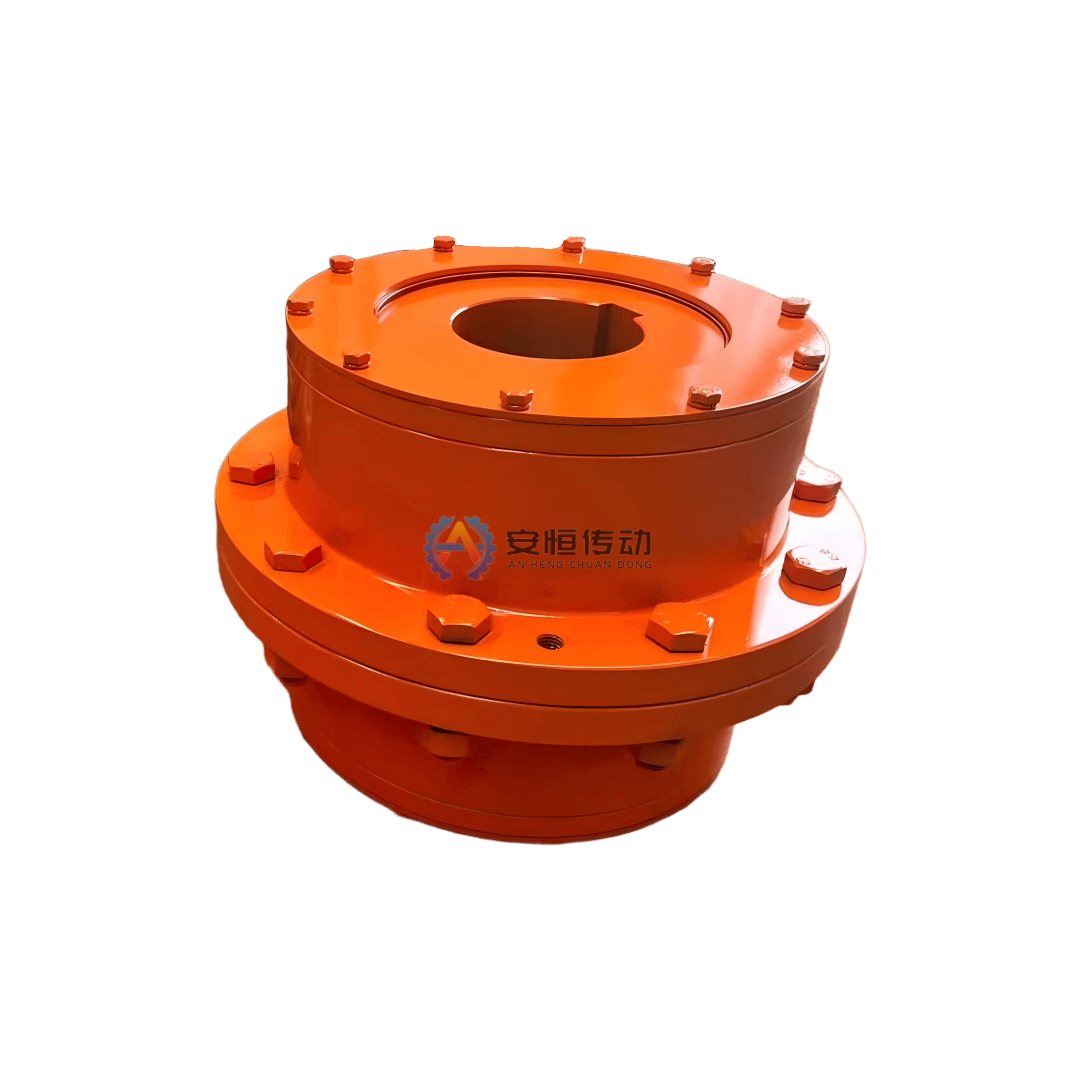
A continuous caster withdrawal or straightening drive needs a coupling that remains reliable while water, scale, thermal cycling, and intermittent torque peaks act on the transmission. The first selection question is whether the coupling must accommodate movement of the strand drive, the roll set, or both.
Withdrawal and straightening load case at a continuous caster
Withdrawal and straightening rolls see changing bite conditions as the strand shell develops. Water spray and scale can attack seals and fasteners, while maintenance access is restricted. A coupling that works in a dry test bay may need different sealing and inspection provisions in the caster.
Open engineering data for Continuous Caster Coupling Selection for Withdrawal and
Confirm roll diameter, withdrawal speed, strand section, motor and reducer data, torque cycle, shaft diameter, keyway or spline, DBSE, thermal growth, angular movement, cooling-water exposure, and guard space. Identify whether the drive is single-roll, grouped-roll, or cardan-shaft connected.
For continuous caster drive, start with the Drum Gear Coupling page. Use the custom replacement coupling page when the installed interface is no longer catalogue standard.
| Engineering input | Confirmation required |
|---|---|
| Load cycle | Continuous, start-up, reversing and blocked-load torque |
| Speed and movement | Normal speed, axial displacement and angular misalignment |
| Interface | Bore, keyway, hub length, DBSE and guard envelope |
| Environment | Temperature, dust, moisture, lubricant or elastomer exposure |
Record the duty before choosing a size: Continuous Caster Coupling Selection for Withdrawal and
Use the worst withdrawal and straightening torque, not the average line load. Check low-speed lubrication, peak torque during breakout or transient strand conditions, and the effect of thermal growth on axial position. Verify the coupling weight and bearing load on the roll gearbox.
For continuous caster drive, the continuous caster coupling application guide is useful when the failure history suggests that the rating basis or transient load has been misunderstood.
Close the decision with site evidence: Continuous Caster Coupling Selection for Withdrawal and
Align at the caster reference position and check the movement range before closing the guard. Keep seals and grease paths clear of scale. Record torque, vibration, and temperature after a water-spray trial, then repeat the inspection after the first production campaign.
Where does this coupling stop being suitable? (Continuous Caster Coupling Selection for Withdrawal and)
Rapid seal wear, scale-packed teeth, pitting, loose bolts, or one-sided wear can indicate water ingress, poor guarding, or movement beyond the coupling limit. A repeated failure at the same roll position should trigger a geometry check.
On a continuous caster drive installation, do not replace the worn part before checking the shaft, keyway, bearings, guard and machine alignment. Read the damage as evidence, then check the surrounding machine before choosing the part.
RFQ notes for this station: Continuous Caster Coupling Selection for Withdrawal and
Send caster layout, roll and shaft drawings, motor power, speed, torque, cooling conditions, movement, photos, quantity, and maintenance history. State whether the replacement must match an installed flange or can use a revised hub.
Two practical questions: Continuous Caster Coupling Selection for Withdrawal and
Can motor power close the selection?
No. Motor power does not show the load event, shaft interface or movement at the installed position.
What should go into the handover?
Send the station, coupling position, normal and abnormal duty, interface measurements, environment, drawings and photos.
Send a reviewable engineering request: Continuous Caster Coupling Selection for Withdrawal and
For the “Continuous Caster Coupling Selection for Withdrawal and” review, send the equipment name, operating duty, available torque and speed data, shaft drawing or clear photos, quantity and delivery need through technical RFQ form. Keep measured values separate from estimates so the drawing review can see what is still open.
Need an engineering selection or replacement review?
Send power, speed, shaft diameters, keyway, installation dimensions, drawings or old-part photos. We will review the working condition before confirming the model and quotation.