
Technical Articles
Coupling Alignment with a Dial Indicator: A Field Checklist
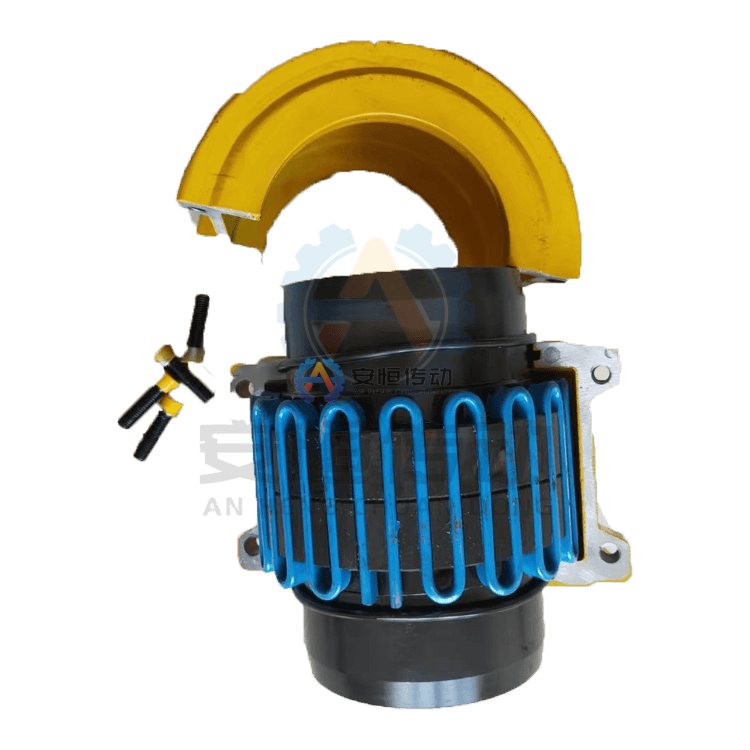
A dial-indicator alignment check is repeatable only when the brackets are rigid, the shafts are rotated together, and readings are corrected for runout. The method is a measurement process, not a visual judgment of whether the hubs look concentric.
Set up a dial-indicator alignment measurement
Pump, fan, gearbox, and mill drives can show soft foot or bracket sag that changes the readings. A coupling may appear aligned at one angle and misaligned at another because the shaft or hub has runout.
Open engineering data for Coupling Alignment with a Dial Indicator
Record rim and face or reverse-dial geometry, bracket span, indicator resolution, shaft runout, cold target, thermal target, and allowable coupling movement. Confirm whether the machine must be moved horizontally, vertically, or axially.
For dial-indicator alignment, start with the Gear Coupling page. Use the custom replacement coupling page when the installed interface is no longer catalogue standard.
| Engineering input | Confirmation required |
|---|---|
| Load cycle | Continuous, start-up, reversing and blocked-load torque |
| Speed and movement | Normal speed, axial displacement and angular misalignment |
| Interface | Bore, keyway, hub length, DBSE and guard envelope |
| Environment | Temperature, dust, moisture, lubricant or elastomer exposure |
Keep alignment and tightening traceable: Coupling Alignment with a Dial Indicator
Calculate the correction from the measured slope and offset, then remeasure after each move. Do not chase a target tighter than the coupling, bearing, or measurement uncertainty requires. Document the final values and the reference position.
For dial-indicator alignment, the coupling misalignment prevention guide is useful when the failure history suggests that the rating basis or transient load has been misunderstood.
Set an acceptance boundary: Coupling Alignment with a Dial Indicator
Lock out the machine, remove the guard only under procedure, clean the hub, and rotate the shafts in the same direction. Check soft foot before moving the machine. Reinstall the guard and confirm that the coupling has free movement before the first start.
Watch the first loaded run: Coupling Alignment with a Dial Indicator
A changing indicator reading may be runout, loose brackets, or a shaft that is not rotating with the other shaft. A stable offset that returns after warm-up may be thermal growth. Compare the readings with vibration and bearing temperature.
On a dial-indicator alignment installation, do not replace the worn part before checking the shaft, keyway, bearings, guard and machine alignment. Read the damage as evidence, then check the surrounding machine before choosing the part.
Leave useful data for the next service: Coupling Alignment with a Dial Indicator
Send the shaft-to-shaft dimensions, bracket method, indicator readings, target values, machine movement available, coupling type, and photos. A supplier can review whether the measured offset is within the coupling's actual capability.
Two practical questions: Coupling Alignment with a Dial Indicator
What should the next service inherit?
Leave the measured fit, alignment method, operating observations and any change made during commissioning.
Can a coupling compensate for poor alignment?
Only within the approved movement limits. It cannot replace shaft checks, machine alignment or correction of soft foot and foundation problems.
Send a reviewable engineering request: Coupling Alignment with a Dial Indicator
For the “Coupling Alignment with a Dial Indicator” review, send the equipment name, operating duty, available torque and speed data, shaft drawing or clear photos, quantity and delivery need through technical RFQ form. Keep measured values separate from estimates so the drawing review can see what is still open.
Need an engineering selection or replacement review?
Send power, speed, shaft diameters, keyway, installation dimensions, drawings or old-part photos. We will review the working condition before confirming the model and quotation.